What Is Medication-Assisted Treatment (MAT)?
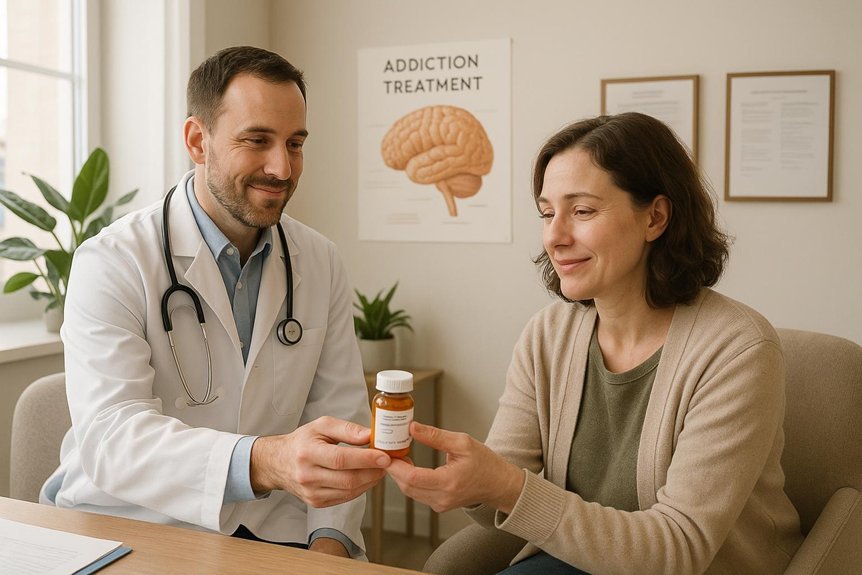
You might wonder what Medication-Assisted Treatment (MAT) truly is. It's an extensive approach tackling substance use disorders by blending FDA-approved medications with counseling and behavioral therapies. This method aims to stabilize brain chemistry and reduce withdrawal symptoms, not just replace one addiction with another. MAT offers a whole-person strategy, enhancing recovery outcomes and supporting individuals in rebuilding their lives. Wondering about how it all works and who benefits most?
What Is Medication-Assisted Treatment?
While addressing substance use disorders, Medication-Assisted Treatment (MAT) combines FDA-approved medications with counseling and behavioral therapies.
It's not just a temporary fix but a thorough approach with a rich history. MAT definitions often get misunderstood, leading to misconceptions and stigma.
Despite strict MAT regulations, its accessibility remains essential for diverse patient profiles. Success factors include community support and personalized care plans.
Accessibility is crucial, with community support and personalized care key to successful MAT outcomes.
Insurance coverage can vary, impacting your access to these important services. Understanding MAT's role helps dispel myths and highlights its potential to change lives.
Take on its benefits, knowing it’s a proven, effective solution for recovery.
Combining Medications and Therapies in MAT
In MAT, combining medications like methadone or buprenorphine with behavioral therapies greatly enhances treatment outcomes.
Evidence shows that these therapies address the psychological aspects of addiction, supporting long-term recovery.
Medication Options in MAT
Combining medications and therapies in Medication-Assisted Treatment (MAT) offers a thorough approach to tackling substance use disorders.
You’ll find that specific medication types, such as methadone, buprenorphine, and naltrexone, play vital roles in reducing withdrawal symptoms and cravings. These medications are selected based on individual needs and the substance involved.
Treatment duration is tailored, often extending several months or longer, ensuring stability and relapse prevention. By integrating these medications with counseling and support, MAT enhances recovery outcomes, providing a balanced strategy.
Behavioral Therapies Role
Behavioral therapies are essential in enhancing the effectiveness of Medication-Assisted Treatment (MAT). They provide the necessary behavioral integration to address the psychological aspects of addiction.
By combining therapy types like cognitive-behavioral therapy (CBT), contingency management, and motivational interviewing, you can tackle underlying issues and triggers. These evidence-based approaches work alongside medications to modify attitudes and behaviors, increasing your chances of recovery.
Engaging in therapy helps you develop coping strategies and helps create a supportive environment for change. Remember, integrating these therapies with medication isn’t optional—it’s a critical part of a thorough treatment plan designed for lasting recovery.
Integrated Treatment Benefits
While integrating medications with therapies in Medication-Assisted Treatment (MAT), you'll find the benefits are substantial and well-documented.
This integrated care approach enhances recovery by addressing both physical and psychological aspects of addiction. By combining medications and therapies, you're employing a whole-person approach that improves overall outcomes.
- Improved Retention Rates: Patients are more likely to stay in treatment, boosting long-term success.
- Reduced Relapse Risk: Combining methods decreases the chances of returning to substance use.
- Enhanced Life Quality: Patients experience better social and occupational functioning.
Using this evidence-based approach, you optimize recovery, supporting sustainable change.
Liberation Way's helpline is free, confidential, and available 24/7. A treatment specialist can help you understand your options.
Call (866) 275-3142Research Findings on MAT Effectiveness
research consistently shows Medication-Assisted Treatment (MAT) considerably improves success rates in overcoming substance use disorders.
Studies indicate that patients on MAT experience higher long-term recovery outcomes compared to those relying solely on behavioral therapies.
These findings underscore MAT's critical role in building sustained recovery and reducing relapse rates.
MAT Success Rates
Research on Medication-Assisted Treatment (MAT) consistently demonstrates its effectiveness in treating substance use disorders.
By focusing on success indicators, you’ll see how MAT boosts treatment efficacy. Here’s what studies show:
- Reduced Relapse Rates: MAT notably lowers the chance of relapse compared to non-MAT approaches.
- Improved Retention: Patients stay in treatment longer, enhancing recovery opportunities.
- Decreased Substance Use: Regular use of substances declines with MAT participation.
These findings underscore MAT’s pivotal role in addressing addiction.
When you evaluate treatment options, consider how MAT’s proven success rates can support recovery efforts effectively.
Long-Term Recovery Outcomes
Beyond immediate success rates, long-term recovery outcomes demonstrate the lasting impact of Medication-Assisted Treatment (MAT) on individuals with substance use disorders.
Research shows that MAT offers sustainable support by considerably reducing relapse rates and enhancing quality of life. combining medications like buprenorphine or methadone with counseling leads to improved retention in treatment.
Studies confirm that individuals in MAT programs are more likely to maintain employment and rebuild relationships over the long term.
This approach not only supports recovery but also reduces the risk of overdose, making it a critical component in fighting the opioid crisis effectively.
Key Medications Used in MAT
When addressing opioid addiction, key medications used in Medication-Assisted Treatment (MAT) play an essential role.
These medications, integrated into treatment protocols, help stabilize brain chemistry, reduce cravings, and prevent relapse. You’ll find that they’re critical for effective recovery.
- Methadone: A long-acting opioid agonist that reduces withdrawal symptoms and cravings.
- Buprenorphine: A partial opioid agonist offering a ceiling effect to minimize misuse risk.
- Naltrexone: An opioid antagonist that blocks opioid receptors, preventing the euphoric effects.
Each medication is selected based on individual needs, ensuring a personalized and evidence-based approach to managing opioid addiction.
Managing Opioid Addiction With MAT
Although overcoming opioid addiction is challenging, integrating Medication-Assisted Treatment (MAT) can greatly enhance recovery outcomes.
By combining medications like methadone or buprenorphine with counseling, MAT addresses both the physical and psychological aspects of addiction. This approach doesn't just alleviate withdrawal symptoms but also reduces cravings, helping you focus on recovery.
Opioid stigma often hinders individuals from seeking help, yet MAT's effectiveness is backed by extensive research.
Ensuring treatment accessibility is essential, as it allows more people to benefit from this evidence-based strategy. Accepting MAT can be a significant step toward a healthier, addiction-free life.
Common Misconceptions About MAT
Why do misconceptions about Medication-Assisted Treatment (MAT) persist despite clear evidence of its effectiveness? Misunderstanding MAT often stems from stigma and misinformation.
Let's address these common myths:
- MAT substitutes one addiction for another: In reality, it stabilizes brain chemistry, reducing cravings and withdrawal symptoms.
- MAT isn’t real recovery: Evidence shows that combining MAT with behavioral therapies greatly improves outcomes.
- MAT should be short-term: The duration should be personalized, as longer treatment can enhance recovery stability.
Reducing stigma is essential. Understanding MAT’s true role helps dismantle barriers to effective treatment.
Counseling and Therapy in MAT
Integrating counseling and therapy with Medication-Assisted Treatment (MAT) plays an essential role in enhancing recovery outcomes.
Integrating counseling with Medication-Assisted Treatment (MAT) is crucial for improving recovery outcomes.
You’ll find that combining medication with counseling techniques and therapy modalities addresses both physical and psychological aspects of addiction.
Cognitive-behavioral therapy, motivational interviewing, and contingency management are effective counseling techniques that support behavioral change.
Therapy modalities like individual, group, and family therapy help you build coping skills, improve relationships, and support a supportive environment.
Evidence shows this thorough approach increases treatment adherence and reduces relapse rates.
Benefits of MAT for Long-Term Recovery
When considering long-term recovery, Medication-Assisted Treatment (MAT) offers significant benefits by addressing the chronic nature of addiction.
It combines medications with support systems and comprehensive approaches, enhancing your chances of sustained recovery.
You'll find MAT helps by:
- Stabilizing brain chemistry: Medications reduce cravings and withdrawal symptoms.
- Enhancing support systems: MAT integrates counseling and community resources, encouraging a thorough recovery environment.
- Promoting whole-person approaches: It addresses both physical and psychological aspects of addiction, leading to more balanced recovery.
How MAT Reduces Overdose Risks
You’ll find that MAT effectively reduces overdose risks by stabilizing brain chemistry, which helps prevent cravings.
It also minimizes withdrawal symptoms, making it easier to avoid relapse. Evidence shows that these factors substantially decrease the likelihood of overdose, supporting safer recovery paths.
Stabilizing Brain Chemistry
While it may seem complex, stabilizing brain chemistry is a critical function of Medication-Assisted Treatment (MAT) that greatly reduces overdose risks.
MAT supports your brain function by maintaining a neurochemical balance, helping prevent the dangerous highs and lows associated with substance use. Here's how it works:
- Regulates neurochemical levels: Keeps neurotransmitters in check, reducing cravings and impulsivity.
- Enhances brain function: Supports cognitive processes, improving decision-making and focus.
- Prevents relapse: By stabilizing your brain chemistry, MAT reduces the likelihood of returning to substance use.
These benefits make MAT an essential tool in reducing overdose risks.
Reducing Withdrawal Symptoms
You’ll find that effective withdrawal management through MAT provides essential symptom relief, making recovery more manageable.
Medications like methadone, buprenorphine, and naltrexone target specific receptors in your brain, easing cravings and stabilizing your body.
This prevents the dangerous cycle of relapse and overdose by reducing the physical discomfort that often drives substance use.
By addressing withdrawal symptoms directly, MAT offers a safer path to recovery, helping you maintain focus on long-term goals and improving overall treatment outcomes.
Trust MAT for a balanced, supportive recovery.
Integrating MAT Into Treatment Plans
Incorporating Medication-Assisted Treatment (MAT) into treatment plans can greatly enhance recovery outcomes for individuals struggling with substance use disorders.
By using personalized approaches, you guarantee that the treatment aligns with each person's unique needs. Collaboration between healthcare providers is essential, developing a thorough strategy that integrates medication with behavioral therapies.
- Personalized Approaches: Tailor treatment to individual needs.
- Treatment Collaboration: Engage multiple healthcare professionals.
- Thorough Strategy: Combine medication with therapies.
Implementing MAT requires a clear, evidence-based framework that prioritizes these elements, guaranteeing effective and sustained recovery.
Accept this method to maximize success in overcoming substance use challenges.
MAT's Impact on Quality of Life
You’ll find that Medication-Assisted Treatment markedly enhances quality of life by reducing relapse rates, which stabilizes long-term recovery.
It also improves mental health, decreasing symptoms of anxiety and depression.
Additionally, MAT enhances social functioning, enabling better relationships and community engagement.
Reduced Relapse Rates
While many approaches to addiction treatment exist, Medication-Assisted Treatment (MAT) stands out for its effectiveness in reducing relapse rates, greatly enhancing quality of life.
By integrating medications with counseling, MAT supports relapse prevention and guarantees treatment adherence. You’ll find that it tackles cravings effectively, making recovery more manageable.
Key benefits include:
- Increased stability: Medications reduce withdrawal symptoms, helping you maintain focus on recovery.
- Better outcomes: Studies show higher success rates compared to non-MAT methods.
- Long-term success: Patients often experience sustained recovery and improved daily functioning.
MAT’s structured approach provides a solid foundation for lasting change.
Improved Mental Health
When undergoing Medication-Assisted Treatment (MAT), you’ll notice significant improvements in mental health, enhancing overall quality of life.
MAT helps stabilize brain chemistry, reducing anxiety and depression. This stability allows you to engage more effectively in mindfulness practices, supporting awareness and emotional resilience.
Evidence shows that by integrating these practices, you’ll build coping strategies that bolster mental well-being. Emotional resilience grows as you face challenges with increased confidence and clarity.
These changes support you to manage stress better and maintain emotional balance.
Ultimately, MAT’s support provides a foundation for sustained mental health improvements, contributing to a more fulfilling life.
Enhanced Social Functioning
Building on the mental health improvements from Medication-Assisted Treatment (MAT), enhanced social functioning emerges as a key benefit.
MAT supports stronger personal relationships and community involvement. With improved stability, you’re better equipped to engage in social activities and build meaningful connections.
This support network plays a vital role in recovery, offering:
- Increased social support: Strengthen relationships with family and friends.
- Active community involvement: Participate in community events and support groups.
- Improved employment opportunities: Gain confidence to pursue job prospects.
These elements collectively enhance your quality of life, ensuring a more fulfilling and connected existence.
Who Benefits Most From MAT?
Although Medication-Assisted Treatment (MAT) offers benefits to a wide range of individuals struggling with substance use disorders, those with opioid addiction often benefit the most.
You’ll find that MAT provides personalized approaches tailored to target demographics, addressing specific needs and improving outcomes. People with opioid use disorder experience significant reductions in cravings and relapse rates.
MAT is particularly effective for individuals who haven’t succeeded with traditional treatments. It supports recovery by combining FDA-approved medications with counseling and behavioral therapies.
This integrated approach enhances long-term recovery and helps restore normalcy in daily life, making it an essential tool in addiction treatment.
Starting MAT: Challenges and Considerations
Starting Medication-Assisted Treatment (MAT) involves managing several challenges and significant considerations. You’ll need to get through barriers to access and insurance coverage.
Stigma awareness is essential, as it can affect treatment readiness and patient education. Building strong support networks, including family involvement, enhances success.
Personalized plans tailored to individual needs, alongside community resources, are fundamental. Motivational interviewing helps maintain engagement.
- Barriers to access: Overcome logistical and financial hurdles.
- Stigma awareness: Educate yourself and others to reduce prejudice.
- Support networks: Engage family and community for encouragement.
Address these elements to improve outcomes and guarantee a thorough approach to MAT.
Future Trends in MAT
As the landscape of healthcare evolves, innovations in Medication-Assisted Treatment (MAT) promise to enhance its effectiveness and accessibility.
You’ll see future innovations like precision medicine tailoring treatments to individual genetic profiles, improving outcomes.
Evolving practices might include digital health tools, offering virtual support and monitoring to increase adherence.
Research into new medications could expand options, providing more effective solutions with fewer side effects.
Additionally, integrated care models are set to streamline services, making MAT more accessible to underserved populations.
Adopting these advancements guarantees MAT remains an essential tool in combating substance use disorders.
Stay informed and adaptable.