
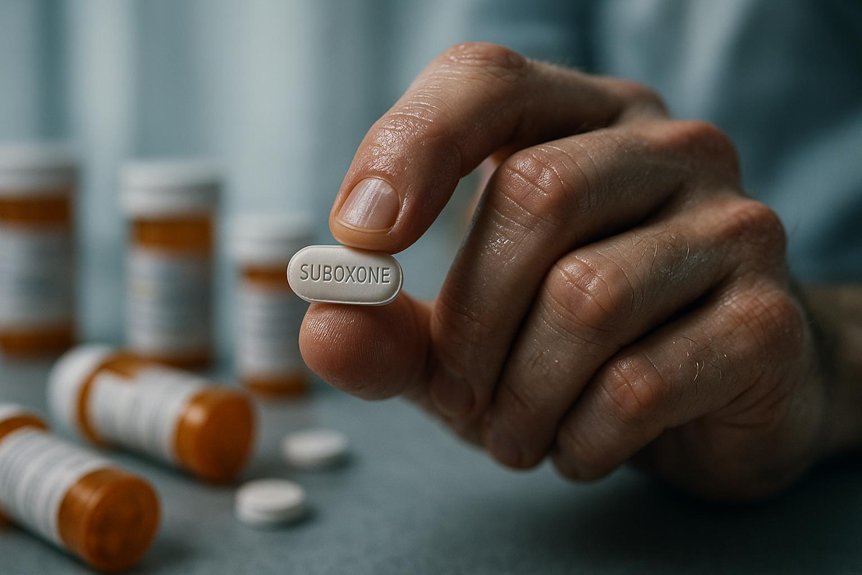
Suboxone Precipitated Withdrawal: How to Avoid It
You're about to explore how to avoid Suboxone precipitated withdrawal, a significant step in opioid treatment. Understanding this process hinges on timing and knowledge. By waiting for moderate withdrawal symptoms before starting Suboxone, you can minimize discomfort. Let's examine how Suboxone's components work, why timing is everything, and what you can do if symptoms arise. Your path forward to effective management starts here—don't miss out on these essential insights.
What Is Precipitated Withdrawal?
When discussing precipitated withdrawal, it’s crucial to understand how it occurs. This condition arises when Suboxone is introduced too soon after using opioids, displacing them from receptors and triggering sudden withdrawal symptoms.
The precipitated withdrawal causes intense discomfort, often more severe than typical withdrawal. To manage cravings effectively, make sure you’re in mild to moderate withdrawal before starting Suboxone. This timing helps prevent the abrupt onset of symptoms.
Being informed and cautious can greatly reduce risks. Monitor symptoms closely and consult healthcare providers for guidance.
Understanding Suboxone: Buprenorphine and Naloxone
Suboxone combines two active ingredients—buprenorphine and naloxone—to effectively aid in opioid addiction treatment.
Buprenorphine's mechanism partially activates opioid receptors, reducing cravings and withdrawal symptoms, which enhances Suboxone benefits. Naloxone counters misuse by blocking opioid effects if injected, promoting treatment adherence.
Educating patients on these components helps overcome recovery challenges and reduce stigma. Understanding potential medication interactions is essential for safe therapy options.
Recognizing Suboxone's role in managing opioid dependence helps you to work through treatment effectively.
Liberation Way's helpline is free, confidential, and available 24/7. A treatment specialist can help you understand your options.
Call (866) 275-3142Timing Suboxone to Prevent Withdrawal
To maximize Suboxone's effectiveness, proper timing is vital in preventing withdrawal symptoms. Start by waiting until moderate withdrawal begins before your first dose. This guarantees Suboxone's timing strategies align with your body's needs. Dosage considerations are essential; begin with a low dose and adjust as necessary under medical guidance.
Here's a helpful table:
| Timing Strategy | Dosage Consideration | Action Step |
|---|---|---|
| Wait for Symptoms | Start Low | Monitor Response |
| Adjust as Needed | Consult Professional | Tailor Dosage |
| Regular Schedule | Maintain Consistency | Prevent Fluctuations |
Following these steps helps stabilize your process and minimizes discomfort.
Recognizing Withdrawal Symptoms
Identifying withdrawal symptoms promptly is essential for effective management. You need to be vigilant in recognizing cravings and physical signs like sweating, restlessness, or muscle aches.
These symptoms can escalate quickly, so it's vital to act fast. Recognizing cravings involves understanding your body's signals and identifying triggers that might worsen them, like stress or certain environments.
Watch for emotional changes such as anxiety or irritability, which can indicate early withdrawal.
How Buprenorphine Interacts With Opioid Receptors
Buprenorphine, a key component in Suboxone, acts as a partial agonist with a strong affinity for opioid receptors in the brain. By binding tightly to these receptors, it activates them just enough to reduce cravings and withdrawal symptoms without producing the intense high of full agonists like heroin or morphine.
This interaction illustrates the opioid receptor mechanisms that underpin buprenorphine’s efficacy in treating opioid dependence. Its unique properties allow it to occupy the receptors, effectively blocking other opioids from binding.
This blockade helps prevent misuse while stabilizing the brain’s chemistry, making it a powerful tool in addiction treatment.
The Role of Naloxone in Suboxone
While buprenorphine binds to opioid receptors to ease withdrawal symptoms, naloxone plays a critical role in Suboxone by discouraging misuse. The naloxone mechanism is designed to counteract potential abuse. If injected, it swiftly blocks opioid receptors, triggering withdrawal symptoms, which deters misuse. This combination guarantees safety and efficacy when taken as prescribed. Here's a breakdown:
| Aspect | Buprenorphine | Naloxone |
|---|---|---|
| Role | Eases withdrawal | Deters misuse |
| Action | Binds opioid receptors | Blocks receptors |
| Formulation | Partial agonist | Antagonist |
| Effectiveness | Reduces cravings | Prevents abuse |
| Administration | Sublingual | Injectable deterrent |
Understanding naloxone's role guarantees responsible use.
Avoiding Common Mistakes With Suboxone
When starting Suboxone, it’s crucial to avoid common mistakes that could undermine your treatment.
One major pitfall is incorrect dosage timing. Taking Suboxone too soon after your last opioid use can trigger precipitated withdrawal. Wait until moderate withdrawal symptoms appear before your first dose.
Another mistake is adjusting your dose without medical advice. Always follow your healthcare provider’s guidance to guarantee effectiveness and minimize risks.
Avoid combining Suboxone with other substances, especially alcohol or sedatives, as it increases overdose risk.
Stay informed and vigilant, confirming your path to recovery is safe and effective by avoiding these common pitfalls.
Patient Strategies to Prevent Withdrawal
Starting Suboxone treatment effectively involves more than just avoiding mistakes. You need to prioritize patient education and lifestyle changes.
Educate yourself on how Suboxone works to prevent precipitated withdrawal. Understand the importance of properly timing your last opioid use before starting Suboxone.
Educate yourself on Suboxone to avoid precipitated withdrawal; timing your last opioid dose is crucial.
Incorporate lifestyle changes that support recovery, like maintaining a balanced diet and regular exercise, which can stabilize mood and boost overall well-being.
Stay hydrated and get adequate sleep, as these enhance your body’s resilience during treatment.
How Healthcare Providers Can Help Prevent Withdrawal
Healthcare providers play an essential role in preventing withdrawal by closely monitoring your shift to Suboxone. They use risk assessments and personalized strategies to guarantee treatment adherence. Patient education is crucial, supporting you with knowledge about withdrawal management. Providers engage in collaborative care, offering ongoing support and comprehensive approaches to address your unique needs. Monitoring progress helps adjust treatments effectively, while guaranteeing resource availability aids in seamless shifts.
| Key Focus | Description |
|---|---|
| Patient Education | Helping with essential info |
| Collaborative Care | Team-based support strategies |
| Risk Assessment | Identifying potential issues |
| Monitoring Progress | Tracking and adjusting treatment |
Managing Withdrawal Symptoms
When managing withdrawal symptoms, you should consider gradual tapering strategies to minimize discomfort effectively.
Supportive care techniques, such as hydration and nutritional support, can also play an essential role in alleviating symptoms.
Gradual Tapering Strategies
Tapering off Suboxone requires a strategic approach to minimize withdrawal symptoms effectively. You should follow carefully designed tapering schedules to guarantee a gradual reduction.
Start by making small dose adjustments, typically decreasing by 2 mg or less per week, depending on your specific needs and medical guidance. It’s vital to monitor your body’s response closely, as each person's experience differs.
Adjust the tapering pace if you experience significant discomfort. Evidence suggests that slower tapers are generally more successful in preventing withdrawal symptoms.
Collaborate with your healthcare provider to tailor a plan that prioritizes your comfort and long-term success.
Supportive Care Techniques
While managing withdrawal symptoms, it’s essential to employ effective supportive care techniques.
Utilize mindfulness techniques to stay present and manage cravings. Incorporate relaxation exercises and breathing techniques to reduce anxiety and stress. Engage in support groups for shared experiences and emotional support.
Adopt whole-person approaches, focusing on lifestyle modifications such as regular exercise and balanced nutrition tips to support recovery. Implement stress management and coping strategies to handle triggers effectively.
These evidence-based methods provide a thorough framework for managing withdrawal symptoms, promoting stability, and enhancing overall well-being during the recovery process. Stay proactive and prioritize self-care.
Communicating Effectively With Your Healthcare Provider
Working through the complexities of Suboxone treatment calls for clear and open communication with your healthcare provider.
Prioritize active listening during consultations to fully understand your treatment plan. Share your treatment goals honestly, ensuring they align with your provider's recommendations.
Ask questions about potential side effects and how to recognize precipitated withdrawal symptoms. Being proactive helps prevent misunderstandings and builds a collaborative relationship.
Regularly update your provider on any changes in symptoms or concerns, enabling timely adjustments to your plan.
Effective communication is essential for achieving successful outcomes in Suboxone treatment, minimizing risks, and ensuring a smooth recovery.
Adjusting Your Dosage for a Smooth Transition
To guarantee a smooth changeover, focus on gradual dose reduction and precise timing of your Suboxone doses.
Evidence shows that tapering slowly minimizes withdrawal symptoms, allowing your body to adjust more comfortably.
Collaborate with your healthcare provider to create a personalized schedule that aligns with your specific needs.
Gradual Dose Reduction
Although managing your Suboxone dosage can seem intimidating, a gradual dose reduction is key to a smooth progression off the medication.
Implementing a tapering schedule allows you to make systematic dose adjustments. Here’s a concise plan:
- Consult Your Doctor: Always discuss your tapering schedule with a healthcare professional to guarantee safety and effectiveness.
- Monitor Symptoms: Track withdrawal symptoms closely to make informed dose adjustments.
- Reduce Slowly: Consider decreasing your dose by 10-20% every 1-2 weeks to minimize withdrawal effects.
- Stay Consistent: Adhere strictly to your schedule, avoiding sudden changes to prevent setbacks.
This approach guarantees a balanced change.
Timing Your Dosage
Balancing your Suboxone dose reduction requires careful attention to timing. To avoid precipitated withdrawal, you need to implement effective timing strategies.
Start by identifying your ideal dosing schedule, ensuring that the last opioid use is sufficiently spaced before Suboxone initiation. Typically, waiting 12-24 hours or until mild withdrawal symptoms appear is recommended. This careful timing minimizes the risk of abrupt withdrawal symptoms.
Adjust your dosage gradually, monitoring your body's response, and consult with a healthcare professional to tailor the timing strategies to your needs. Precise timing encourages a smoother shift, enhancing comfort and reducing the risk of complications.
Considering Other Medications
When managing withdrawal symptoms, it’s essential to evaluate other medications that might assist in easing the process.
Alternative treatments can offer relief, but be cautious of medication interactions which could worsen symptoms.
Consider these options:
Clonidine, NSAIDs, ondansetron, and loperamide can help manage withdrawal symptoms effectively.
- Clonidine: Helps reduce anxiety and agitation without risk of addiction.
- NSAIDs: Effective for managing muscle aches and pains.
- Ondansetron: Addresses nausea, a common withdrawal symptom.
- Loperamide: Useful for controlling diarrhea, though it should be used judiciously.
Discuss these options with your healthcare provider to guarantee they’re appropriate for your situation, focusing on safety and efficacy.
Success Stories: Avoiding Withdrawal
You can successfully avoid withdrawal by using gradual change techniques and personalized taper plans.
Evidence shows that slowly reducing doses, tailored to individual needs, minimizes withdrawal symptoms.
Trust in a structured approach and professional guidance to enhance your success.
Gradual Transition Techniques
Steering a successful change from opioids to Suboxone without experiencing withdrawal symptoms is achievable through gradual shift techniques.
Following a structured tapering schedule guarantees a smoother changeover. Adhering to medications minimizes the risk of withdrawal.
Here’s how you can succeed:
- Tapering Schedule: Gradually reduce opioid use before initiating Suboxone. This helps your body adjust.
- Medication Adherence: Stick to prescribed doses and times to maintain stability.
- Professional Guidance: Work closely with healthcare providers to monitor progress and make necessary adjustments.
- Support Systems: Engage with support groups or counseling to bolster emotional resilience during the changeover.
Personalized Taper Plans
While steering through the complexities of opioid tapering, personalized taper plans have proven essential for avoiding withdrawal. You need personalized strategies tailored to your unique needs.
Individualized plans take into account your history, dosage, and response to medications. Evidence shows that a customized approach reduces withdrawal symptoms effectively.
By working closely with healthcare professionals, you can craft a taper plan that adjusts to your progress. Success stories highlight how these individualized plans help maintain stability and confidence.
Enabling Patients to Make Informed Choices
Understanding Suboxone and its potential effects, including precipitated withdrawal, is essential for making informed choices about treatment.
Help yourself through patient education and explore various treatment options. Here’s how you can make informed decisions:
Enable your recovery process by learning about treatment options and making informed decisions.
- Patient Education: Learn about Suboxone, its benefits, and risks. Knowledge is power.
- Informed Choices: Weigh your options, considering both medical advice and personal circumstances.
- Support Networks: Engage with support groups and recovery resources to bolster your recovery.
- Self Advocacy: Practice support strategies by voicing your needs and preferences during treatment.
These steps enhance your decision-making, leading to more effective recovery.
What to Do If Withdrawal Symptoms Occur?
If you experience withdrawal symptoms after starting Suboxone, it's important to act promptly.
First, contact your healthcare provider to discuss withdrawal management strategies. They may adjust your dosage or recommend additional medications for symptom relief.
Stay hydrated and rest to help your body cope. Over-the-counter pain relievers can alleviate minor symptoms, but consult with your provider before taking anything new.
Practicing relaxation techniques, like deep breathing or meditation, can also support your recovery process.