Naltrexone Side Effects and Liver Concerns
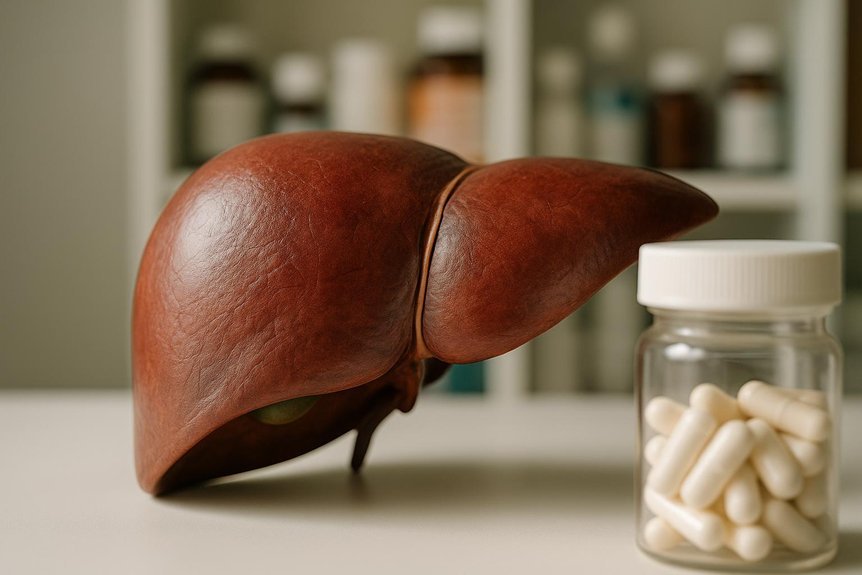
When considering naltrexone for opioid or alcohol dependence, it's essential you're aware of potential side effects, particularly concerning liver health. Nausea, dizziness, and fatigue might seem manageable, but the risk of hepatotoxicity requires careful monitoring. Especially if you have pre-existing liver issues, understanding how this medication interacts with your body is critical. How can you guarantee its benefits outweigh the risks? Here is the strategies and precautions involved.
What Is Naltrexone Used For?
Naltrexone is primarily used to help manage dependence on opioids and alcohol. You’ll find it offers significant benefits by reducing cravings and blocking the euphoric effects associated with substance use. This makes it a valuable tool in your recovery process.
It’s important to evaluate medication alternatives, like methadone or buprenorphine for opioids, which might suit different needs or conditions. Unlike some alternatives, naltrexone doesn’t cause dependence, making it a compelling option for many.
Discussing options with your healthcare provider guarantees you choose the best approach tailored to your specific situation, maximizing the potential for successful treatment outcomes.
Liver Health Considerations Before Starting
Before starting naltrexone, it's crucial to evaluate liver health, as the medication can impact liver function. Evaluating potential hepatotoxicity risk helps guarantee safety. Consider liver detoxification methods to reduce stress on your liver. Regular liver function tests can monitor changes and help manage risks effectively.
| Consideration | Details |
|---|---|
| Liver Function Tests | Important before starting treatment |
| Hepatotoxicity Risk | Evaluate based on medical history |
| Detoxification Methods | Consult health professionals |
| Monitoring | Regular testing during treatment |
Being proactive about liver health can prevent complications and guarantee naltrexone is a safe option for you.
Liberation Way's helpline is free, confidential, and available 24/7. A treatment specialist can help you understand your options.
Call (866) 275-3142How Naltrexone Works in the Body
When you take naltrexone, it works by blocking opioid receptors in your brain, which reduces the effects and cravings associated with alcohol and opioids. This receptor interaction is vital for its effectiveness:
- Opioid Blockade: Naltrexone prevents opioids from attaching to receptors, hindering their effects.
- Craving Reduction: By reducing the pleasure associated with substance use, it decreases cravings.
- Alcohol Impact: It also diminishes the rewarding effects of alcohol, supporting abstinence.
- Receptor Specificity: Targets specific receptors, minimizing interference with other neurotransmitter systems.
These mechanisms make naltrexone a valuable tool in addiction treatment.
Common Side Effects of Naltrexone
While using naltrexone, you might experience some common side effects, though they’re often manageable. These can include nausea, headache, dizziness, and fatigue.
It's important to monitor how you feel, as naltrexone interactions with other medications could influence these effects. Adjustments to your dosage might be necessary if side effects persist or worsen.
Always consult your healthcare provider before making any changes. They’ll evaluate your situation, considering potential interactions and your current health status, to guarantee the safest and most effective treatment plan.
Staying informed helps you manage side effects and maintain your treatment course successfully.
Strategies for Managing Naltrexone's Liver Effects
To manage naltrexone's liver effects, you should regularly monitor liver function tests to catch any changes early.
Incorporating lifestyle and dietary adjustments, such as reducing alcohol intake and eating a balanced diet, can support liver health.
Collaborate with your healthcare provider to tailor strategies that suit your individual needs.
Monitor Liver Function Tests
Although naltrexone is effective in treating opioid and alcohol dependence, it’s essential to monitor liver function due to potential hepatic effects.
Regular liver function tests can help you manage any risks. Here’s how you can approach it:
- Baseline Testing: Conduct a liver function test before starting naltrexone to establish a baseline.
- Frequent Monitoring: Schedule regular tests, typically every 1-3 months, depending on your doctor’s advice.
- Recognize Symptoms: Be alert for signs of liver issues like fatigue or jaundice.
- Consultation: Discuss any abnormal test results with your healthcare provider promptly.
Monitoring helps guarantee safe and effective treatment.
Lifestyle and Dietary Adjustments
Even though naltrexone can affect your liver, adopting certain lifestyle and dietary adjustments can mitigate these risks.
Start by incorporating healthy dietary changes, such as increasing your intake of fruits, vegetables, and whole grains, which support liver health. Avoid alcohol and processed foods to lessen liver strain.
Regarding lifestyle habits, maintain a regular exercise routine to boost overall well-being and liver function. Stay hydrated and aim for adequate sleep to aid in liver regeneration.
Regularly consult with healthcare providers to tailor these strategies to your needs, ensuring a balanced approach to managing naltrexone's liver effects.
Who Needs Caution With Naltrexone?
If you have pre-existing liver conditions, you should use naltrexone with caution due to its potential to impact liver function.
Individuals with alcohol or drug dependence might also require careful monitoring when starting this medication.
Always consult your healthcare provider to confirm it's safe and appropriate for your specific situation.
Pre-Existing Liver Conditions
When weighing naltrexone, it's vital for individuals with pre-existing liver conditions to exercise caution. This medication can impact liver function, necessitating careful monitoring and potential dosage adjustments.
Here are key points to reflect on:
- Liver Function Tests: Regular tests are important to assess how well your liver is working.
- Consult Your Doctor: Discuss your liver history to tailor the safest treatment plan.
- Dosage Adjustments: You might need a lower dose to minimize risks.
- Monitor Symptoms: Be vigilant for signs of liver distress, like jaundice or fatigue.
Prioritizing liver health guarantees safer naltrexone use.
Alcohol or Drug Dependence
While considering naltrexone for alcohol or drug dependence, it's important to recognize who needs caution. If you're in the early stages of dependency treatment, naltrexone can be effective, but it requires careful monitoring.
Those with liver issues must be particularly cautious, as the medication can affect liver function. It's critical to consult your healthcare provider for a thorough assessment.
Recovery support is essential, so make sure you're also engaging in therapy and support groups.
How to Partner With Your Doctor for Safe Use
Partnering with your doctor is essential for the safe use of naltrexone. Effective doctor communication guarantees you understand your treatment plan, promoting medication adherence.
Partner with your doctor to ensure safe naltrexone use and treatment adherence.
Here’s how to collaborate effectively:
- Discuss Your History: Share any liver issues or substance use history for personalized advice.
- Follow Prescriptions: Stick to the dosage and schedule your doctor recommends.
- Report Side Effects: Immediately inform your doctor about any adverse reactions.
- Regular Check-Ins: Schedule frequent appointments to monitor liver health and treatment progress.