
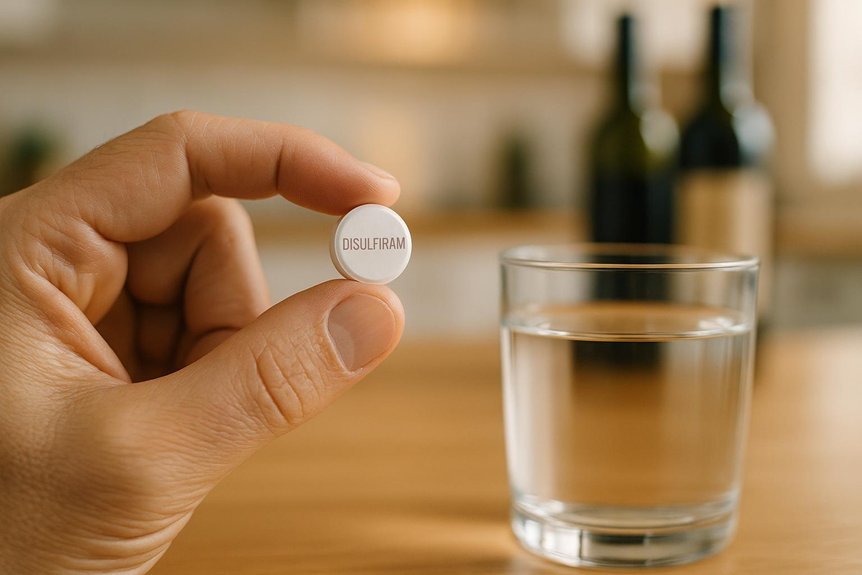
Disulfiram (Antabuse) for Alcohol Addiction
If you're exploring options for alcohol addiction treatment, disulfiram (Antabuse) is worth considering. It works by blocking acetaldehyde dehydrogenase, causing unpleasant effects when you drink alcohol. This discouragement can be a powerful ally in your recovery process. However, it's most effective alongside counseling and lifestyle changes. Wondering about how this medication could fit into your plan? Let’s explore how disulfiram might play a pivotal role in achieving long-term sobriety.
Why Choose Disulfiram for Alcohol Addiction?
When considering treatment options for alcohol addiction, disulfiram presents a compelling choice due to its unique mechanism of action.
It's an effective deterrent for those with strong personal motivation to quit drinking. Disulfiram works best when you’re committed to sobriety, as it reinforces the decision to avoid alcohol.
An effective deterrent for those motivated to quit, disulfiram reinforces the commitment to sobriety.
Unlike other treatment options, it creates an aversive reaction when alcohol is consumed, making it a powerful catalyst for change.
By choosing disulfiram, you’re actively supporting your path to recovery.
It’s essential to combine this with counseling and support groups to enhance its effectiveness and guarantee long-term success in overcoming addiction.
How Does Disulfiram Work?
Disulfiram works by interfering with alcohol metabolism, specifically inhibiting the enzyme acetaldehyde dehydrogenase.
When you consume alcohol, this leads to a buildup of acetaldehyde, causing unpleasant symptoms like nausea and flushing.
This reaction discourages further drinking, reinforcing abstinence as a behavioral strategy.
Mechanism of Action
Although it's primarily used to support alcohol abstinence, disulfiram works by inhibiting the enzyme acetaldehyde dehydrogenase. This inhibition leads to the accumulation of acetaldehyde, causing unpleasant reactions when alcohol is consumed.
You’ll experience symptoms that deter drinking, reducing alcohol cravings effectively. Here’s what you need to know:
- Disulfiram Interactions: The drug interacts with alcohol, creating an aversive reaction to deter consumption.
- Symptom Onset: Symptoms like nausea and flushing occur quickly, reinforcing abstinence.
- Consistency is Key: Regular intake is essential for maintaining its effectiveness.
Alcohol Metabolism Interference
By disrupting the process of alcohol metabolism, disulfiram effectively deters alcohol consumption. It blocks the enzyme aldehyde dehydrogenase, causing a buildup of acetaldehyde.
This metabolic shift triggers unpleasant symptoms like nausea and flushing when alcohol is consumed. Understanding metabolism dynamics is essential here: normally, alcohol breaks down smoothly, but disulfiram alters this flow.
Your body reacts negatively, discouraging further drinking. These alcohol interactions create a reliable deterrent, reinforcing abstinence.
Disulfiram’s targeted mechanism guarantees that any alcohol intake results in discomfort, making it a powerful tool in managing addiction and promoting recovery stability.
Liberation Way's helpline is free, confidential, and available 24/7. A treatment specialist can help you understand your options.
Call (866) 275-3142The Science Behind Alcohol Sensitivity
When you consume alcohol, your body breaks it down in a two-step process that involves the enzymes alcohol dehydrogenase and acetaldehyde dehydrogenase.
Disulfiram disrupts this by inhibiting acetaldehyde dehydrogenase, leading to increased acetaldehyde levels. This triggers alcohol sensitivity, causing unpleasant reactions like flushing and nausea.
Disulfiram inhibits acetaldehyde dehydrogenase, increasing acetaldehyde levels and causing reactions like flushing and nausea.
Here's how disulfiram interactions work:
- Inhibition of Acetaldehyde Dehydrogenase: This enzyme breakdown is halted, leading to a buildup of acetaldehyde.
- Increased Acetaldehyde Levels: Causes aversive symptoms, deterring further alcohol consumption.
- Enhanced Alcohol Sensitivity: Results in rapid onset of negative effects, promoting avoidance.
Understanding these mechanisms is essential for effective treatment.
Benefits of Disulfiram in Recovery
Disulfiram offers significant benefits in recovery from alcohol addiction by acting as a powerful deterrent. It creates an unpleasant reaction to alcohol, reinforcing abstinence.
When combined with strong support systems, its effectiveness increases. You’ll find that integrating disulfiram with behavioral therapy enhances your commitment to sobriety.
This combination addresses both physical and psychological aspects of addiction, making relapse less likely. Evidence shows that consistent use of disulfiram, when supported by therapy and community, leads to improved outcomes.
It helps you to stay accountable, turning your focus away from alcohol and towards healthier coping mechanisms and lifestyle changes.
Who Should Consider Disulfiram?
If you're struggling with alcohol addiction and need a strong deterrent, disulfiram might be worth considering. It's essential to determine if you're a suitable candidate.
Here's what makes someone eligible:
- Commitment to Abstinence: You should be committed to avoiding alcohol. Disulfiram works as a deterrent, triggering adverse reactions if alcohol is consumed.
- Medical Evaluation: A healthcare provider must assess your health. Disulfiram isn't suitable for those with certain medical conditions, such as severe heart disease.
- Support System: Having a strong support network enhances success. It’s critical for monitoring and encouragement during treatment.
These criteria guarantee disulfiram candidates achieve best results.
How to Safely Use Disulfiram
To safely use disulfiram, you should adhere to prescribed dosage guidelines and be aware of potential side effects like headaches or drowsiness.
Regular monitoring by healthcare professionals is vital to guarantee effectiveness and address any adverse reactions.
Support from medical providers and support groups enhances compliance and success in treatment.
Proper Dosage Guidelines
When considering treatment with disulfiram, it’s crucial to follow proper dosage guidelines to guarantee safety and effectiveness.
Starting with an initial dose of 500 mg daily for one to two weeks is typical, but adjustments may be necessary based on individual response and tolerance.
Regular patient monitoring guarantees the treatment remains safe and effective.
Here's a concise guideline:
- Initial Dosage: Begin with 500 mg daily for one to two weeks.
- Maintenance Dose: Reduce to 250 mg daily, depending on patient response.
- Regular Monitoring: Conduct frequent check-ups to assess any need for dosage adjustments and guarantee adherence.
Following these steps helps optimize treatment outcomes.
Potential Side Effects
Monitoring dosage is just one part of using disulfiram effectively; understanding potential side effects is equally important. You should be aware of symptoms like drowsiness, headache, and metallic taste. Effective side effects management involves consulting your doctor if these occur. Consider disulfiram interactions with other medications, as they can intensify side effects. Here’s a quick reference:
| Side Effect | Management Tip |
|---|---|
| Drowsiness | Avoid driving or operating machinery |
| Headache | Consult your doctor for advice |
| Metallic Taste | Use sugar-free gum or mints |
Stay informed and proactive to guarantee safe use.
Monitoring and Support
While ensuring safe use of disulfiram, it’s essential to establish a thorough monitoring and support system. You should integrate structured check-ins and professional guidance to enhance adherence and outcomes.
Consider these strategies:
- Regular Medical Assessments: Schedule frequent doctor visits to track progress and address any side effects promptly.
- Group Therapy: Participate in group therapy sessions to share experiences, build community support, and develop accountability.
- Motivational Interviewing: Engage in motivational interviewing to strengthen your commitment to sobriety and identify personal motivations.
These approaches provide a detailed framework to support effective disulfiram use, ensuring safety and maximizing treatment success.
Potential Side Effects and Management Tips
Although effective in treating alcohol addiction, disulfiram can cause various side effects that require careful management. Common issues include headaches, drowsiness, and a metallic taste.
To manage these, make sure you stay hydrated and maintain a regular medication schedule. If you experience severe reactions like breathing difficulty or chest pain, seek medical attention immediately.
Stay hydrated and follow your medication schedule; seek help if severe reactions occur.
Employ coping strategies such as mindfulness and stress-reduction techniques to enhance your treatment experience. Regular consultations with your healthcare provider can help adjust dosages or explore alternatives if necessary.
Adhering to prescribed guidelines minimizes risks and enhances the effectiveness of your recovery.
Comparing Disulfiram With Other Treatments
When comparing disulfiram to other treatments for alcohol addiction, you'll find it offers moderate effectiveness but often struggles with compliance due to its aversive reaction to alcohol.
Studies show that medications like naltrexone and acamprosate may have higher adherence rates, as they don't rely on creating negative physical reactions.
However, disulfiram’s unique mechanism can be beneficial for those committed to abstinence, despite its potential for more severe side effects.
Effectiveness and Compliance Rates
Disulfiram remains a widely used treatment for alcohol addiction, yet its effectiveness and compliance rates present a mixed picture when compared to other treatments.
Compliance barriers often hinder its success, with effectiveness studies showing varied outcomes.
Here's how Disulfiram compares:
- Compliance Barriers: Patients may struggle with adherence due to the need for daily motivation and the deterrent effect only working if alcohol is consumed.
- Effectiveness Studies: Results vary, with some studies showing reduced relapse rates, while others indicate limited impact without supervised administration.
- Comparison with Alternatives: Medications like naltrexone and acamprosate often show higher compliance and effectiveness in reducing cravings and relapses.
Side Effects Comparison
While evaluating side effects, it’s crucial to compare Disulfiram with other treatments like naltrexone and acamprosate. Disulfiram can cause reactions such as headaches and nausea if alcohol is consumed.
Naltrexone might lead to dizziness and fatigue, while acamprosate may cause diarrhea or anxiety. A side effects overview highlights that Disulfiram's deterrent nature involves more severe reactions upon alcohol intake, requiring careful side effects management.
In contrast, naltrexone and acamprosate have milder but more chronic side effects. Choosing the right treatment involves balancing efficacy with how well you can manage potential side effects, ensuring effective recovery and safety.
Success Stories of Disulfiram Users
Though overcoming alcohol addiction is challenging, many have found success with disulfiram. User's testimonials reveal inspiring personal experiences, highlighting resilience and transformation.
Here's how disulfiram has made a difference:
- Commitment to Change: Users often describe a newfound dedication to sobriety, attributing their success to disulfiram's deterrent effect.
- Enhanced Support Systems: Many report stronger relationships, as disulfiram facilitates open communication and trust within families and support networks.
- Long-term Sobriety: Testimonials frequently emphasize sustained sobriety, with users celebrating years without relapse, crediting disulfiram as an essential tool in their recovery process.
Common Misconceptions About Disulfiram
Despite its proven effectiveness, several misconceptions about disulfiram persist, potentially deterring individuals from considering it as a treatment option. Disulfiram myths often involve misunderstandings about its function and side effects. Some believe it’s a standalone cure, but it’s most effective with counseling. Others think it causes severe reactions even without alcohol—false if used correctly. Patient misconceptions can prevent beneficial use.
| Myth | Truth | Impact |
|---|---|---|
| Standalone cure | Requires support | Reduced treatment success |
| Severe reaction without alcohol | Safe when instructions followed | Unnecessary fear |
| Instant results | Gradual process | Impatience |
Dispel these myths to make informed decisions.
How to Talk to Your Doctor About Disulfiram
When discussing disulfiram with your doctor, clearly outline your treatment goals to guarantee expectations align.
Ask about potential side effects and how they might impact your daily life, considering the evidence-based risks associated with this medication.
It's essential to maintain open communication to tailor the treatment effectively to your needs.
Discussing Treatment Goals
As you prepare to discuss disulfiram with your doctor, it’s crucial to clearly outline your treatment goals. Understanding your treatment objectives can help tailor a plan that aligns with your patient motivations.
Here’s how to effectively communicate with your healthcare provider:
- Define Clear Objectives: Specify your desired outcomes, such as complete abstinence or reduced alcohol consumption.
- Discuss Personal Motivations: Share why these goals matter to you, whether it’s for health improvement or personal relationships.
- Set Achievable Milestones: Work with your doctor to establish realistic targets to evaluate progress over time.
Approaching your appointment with clarity guarantees a focused and productive discussion.
Addressing Potential Side Effects
While setting your treatment goals provides a foundation, understanding potential side effects of disulfiram is equally important.
You should familiarize yourself with the side effects overview, which includes headache, drowsiness, and metallic taste. More serious reactions, like liver issues, though rare, require immediate attention.
Talking to your doctor is essential for effective management strategies. Discuss any existing conditions or medications that might interact with disulfiram.
Keep a symptom diary to track any changes and consult your doctor promptly. Being proactive helps you manage side effects efficiently, ensuring your treatment remains safe and effective.
Supporting Disulfiram With Lifestyle Changes
To maximize the effectiveness of disulfiram in treating alcohol addiction, integrating specific lifestyle changes is essential. Taking on lifestyle modifications can bolster your path to recovery.
Consider these strategies:
- Healthy Habits: Adopt nutritional changes and establish regular exercise routines to enhance physical well-being.
- Social Support: Cultivate a network of supportive friends and family to provide encouragement and accountability.
- Stress Management: Implement mindfulness practices and coping strategies to handle stress effectively.
These evidence-based approaches can greatly improve outcomes, helping you maintain sobriety and lead a balanced life.
Prioritizing these elements supports your commitment to recovery.
The Future of Disulfiram Therapy
Although disulfiram has been a cornerstone in treating alcohol addiction for decades, its future holds promise for even greater advancements.
Disulfiram innovations are on the horizon, focusing on enhancing efficacy and reducing side effects. Future research is exploring personalized medicine approaches, tailoring treatment to individual genetic profiles.
Advances in delivery methods, like implantable devices, aim to improve adherence and outcomes. Additionally, ongoing studies are evaluating disulfiram’s potential in addressing other addictions, broadening its therapeutic scope.
As these developments unfold, you can expect more targeted and effective disulfiram therapies, potentially transforming the landscape of addiction treatment.
Integrating Disulfiram Into Your Recovery Plan
- Consultation: Engage with your healthcare provider to assess if disulfiram suits your specific needs and conditions.
- Monitoring: Regular check-ins with your medical team help track progress and manage any side effects.
- Support System: Involve family and friends to create a thorough support network, enhancing accountability and motivation.