
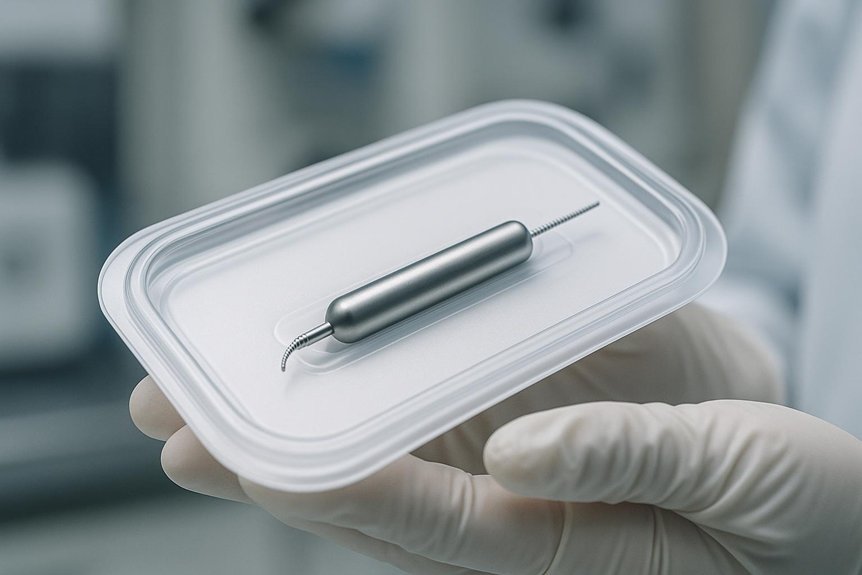
Probuphine: The Buprenorphine Implant Explained
You might find Probuphine intriguing as it offers a unique approach to managing opioid addiction. This subdermal implant continuously delivers buprenorphine for up to six months, ensuring consistent medication levels without daily hassle. By acting on mu-opioid receptors, it reduces cravings and minimizes misuse risks. Could this innovative solution enhance treatment adherence and support long-term recovery? Discover how Probuphine might transform the landscape of opioid addiction treatment.
Managing Opioid Addiction With Innovative Solutions
When tackling opioid addiction, innovative solutions like the Probuphine implant offer new hope.
You’ll find that it’s part of a broader movement towards opioid alternatives and innovative therapies. This implant delivers a steady dose of buprenorphine, helping maintain long-term recovery by reducing cravings and withdrawal symptoms.
It eliminates daily medication routines, minimizing the risk of misuse. Clinical studies demonstrate its effectiveness, with many patients showing significant improvements.
What Is Probuphine? Understanding the Basics
Probuphine is a subdermal implant that provides continuous delivery of buprenorphine, a medication used in treating opioid dependence. It’s an innovative tool in addiction awareness, ensuring consistent medication levels without daily dosing.
As a patient, understanding Probuphine means recognizing its role in reducing cravings and withdrawal symptoms. The implant is discreet, placed under your skin, typically in the upper arm, and works for up to six months.
This approach supports long-term recovery by minimizing the risks of missed doses or misuse. Patient education is essential, supporting you to make informed decisions about managing opioid addiction effectively.
Liberation Way's helpline is free, confidential, and available 24/7. A treatment specialist can help you understand your options.
Call (866) 275-3142The Science Behind Buprenorphine
Although the complexities of opioid dependence require multifaceted solutions, buprenorphine stands out as a pivotal component in treatment. It works through buprenorphine mechanisms that involve partial agonism at the mu-opioid receptors.
This interaction provides enough receptor activity to reduce cravings and withdrawal symptoms without producing the full euphoric effects that lead to abuse. Additionally, its high affinity for opioid receptors allows it to effectively block other opioids, deterring misuse.
How Does the Probuphine Implant Work?
Building on the benefits of buprenorphine, the Probuphine implant offers a novel approach to managing opioid dependence. This implant delivers a constant, low-level dose of buprenorphine, which binds to opioid receptors in your brain, easing withdrawal symptoms and reducing cravings.
The buprenorphine mechanism acts as a partial agonist, providing stability without the highs associated with full agonists like heroin. Implant benefits include consistent medication delivery for up to six months, minimizing the risk of missed doses or misuse.
Why Choose an Implant Over Oral Medication?
When managing opioid dependence, choosing an implant over oral medication can offer distinct advantages.
Implants provide therapeutic stability, ensuring consistent medication delivery without daily dosing. This addresses compliance challenges and enhances medication adherence, essential for effective treatment.
Patient preferences often lean towards the convenience of a long-term solution, minimizing lifestyle impact. With implants, you avoid the need for frequent pharmacy visits, reducing the risk of missed doses.
Treatment consistency is key, and implants offer a reliable, discreet option. By selecting an implant, you're prioritizing dosing convenience and maintaining a steady therapeutic effect, ultimately supporting your path to recovery.
How Probuphine Enhances Patient Recovery
Implant-based treatments like Probuphine offer a transformative approach to patient recovery from opioid dependence. By providing a steady release of medication, it supports stable recovery strategies. You don't have to worry about daily doses, which greatly boosts patient motivation. This consistency is key to effectively managing withdrawal symptoms and reducing relapse risks.
| Benefits | Description | Impact on Recovery |
|---|---|---|
| Steady Release | Continuous buprenorphine delivery | Reduces withdrawal |
| Convenience | No daily dosing required | Increases adherence |
| Motivation | Encourages long-term engagement | Sustains recovery |
Probuphine supports you to focus on rebuilding your life.
The Implantation Process: What to Expect
Understanding the implantation process for Probuphine is essential to setting realistic expectations. You’ll begin with patient preparation, which includes a thorough consultation with your healthcare provider. They’ll assess your medical history and confirm you’re an appropriate candidate.
During the implantation experience, a local anesthetic numbs your upper arm. The physician makes a small incision to insert four tiny rods under the skin. This procedure typically takes less than 30 minutes.
A quick, under-30-minute procedure with local anesthetic and a small incision for implanting four tiny rods.
Afterward, you may experience mild discomfort or bruising, which is normal. Follow post-procedure care instructions closely to guarantee ideal recovery and implant efficacy.
Expect a follow-up to monitor progress.
Comparing Costs: Probuphine and Traditional Treatments
When comparing the costs of Probuphine to traditional treatments, you’ll find that long-term expenses can vary considerably.
While the initial cost of the implant might be higher, it often reduces ongoing costs associated with medication management.
Be sure to explore insurance coverage options, as they can substantially offset these expenses.
Long-Term Cost Analysis
Although the initial investment in Probuphine might seem higher than traditional treatments, examining long-term costs reveals a more nuanced picture.
When you conduct a cost comparison, consider the financial implications of consistent clinic visits, medication adjustments, and potential relapses associated with traditional treatments.
Probuphine offers sustained delivery, minimizing these recurring expenses.
Over time, the implant can reduce indirect costs like lost productivity and healthcare utilization due to fewer withdrawal symptoms and improved adherence.
Insurance Coverage Options
How does insurance impact your choice between Probuphine and traditional treatments? Your insurance eligibility determines access, and coverage limits influence cost-effectiveness.
Policy variations mean that some plans might cover Probuphine more thoroughly than others. You’ll need to understand your patient responsibilities, like choosing network providers to minimize out-of-pocket expenses.
The claims process can be intricate, requiring careful navigation to guarantee reimbursement. Medication assistance programs might offset costs if your policy falls short.
Treating Opioid Withdrawal With Probuphine
Because managing opioid withdrawal can be challenging, Probuphine offers an innovative approach to treatment. It provides consistent buprenorphine delivery, supporting withdrawal management and reducing cravings.
To maximize effectiveness, combine it with strong support systems and patient education. Emphasize coping strategies and whole-person approaches, integrating community resources and psychological support.
Relapse prevention is essential; use motivational interviewing and peer support to reinforce commitment. Probuphine acts as a foundation, but thorough care involves addressing emotional and social needs.
Who Benefits Most From Probuphine?
Probuphine plays a pivotal role in managing opioid withdrawal, but understanding who benefits most from it can enhance treatment outcomes.
You’ll find it particularly advantageous if you’ve struggled with the consistency of daily medication. Probuphine’s implantable nature guarantees steady buprenorphine delivery, making it ideal for individuals with chronic pain who require stable dosing.
Additionally, if mental health challenges complicate your recovery, the implant's reliability can reduce the stress of maintaining adherence. This approach suits those committed to long-term recovery but needing support in maintaining medication routines.
Potential Side Effects and Management Tips
While using the Probuphine implant, you might experience common side effects like pain at the implant site, itching, or redness.
To manage any discomfort efficiently, apply a cold compress and consider over-the-counter pain relievers as advised by your healthcare provider.
Always monitor for unusual symptoms and seek medical advice if they persist or worsen.
Common Side Effects
Experiencing side effects from the Probuphine implant is a possibility, and being informed can help you manage them effectively.
Common side effects include pain at the implant site, itching, or redness. Patient experiences suggest these are often mild and temporary.
For side effect management, applying a cold compress can ease discomfort, while over-the-counter pain relievers may help with soreness.
Monitoring the implant site for unusual symptoms is essential. If severe reactions occur, contact your healthcare provider immediately.
Staying proactive and informed guarantees you handle side effects efficiently, encouraging a smoother change with the Probuphine implant.
Managing Discomfort Efficiently
Although managing discomfort from the Probuphine implant can seem challenging, understanding effective strategies makes it manageable.
Start by keeping the implant area clean and dry to prevent infections. For immediate pain management, over-the-counter pain relievers like ibuprofen can be effective.
Apply a cold compress to the site if swelling occurs. If discomfort persists, consult your healthcare provider for tailored discomfort relief options.
Regular follow-ups guarantee ideal implant positioning and address any ongoing concerns. Being proactive about your care and communicating openly with your medical team enhances recovery and minimizes potential side effects, ensuring a smoother experience with the Probuphine implant.
Long-Term Recovery Supported by Probuphine
When seeking long-term recovery from opioid addiction, Probuphine offers a reliable solution. This implant promotes sustained sobriety through consistent buprenorphine delivery, eliminating daily dosing concerns.
It supports your long-term commitment to recovery by integrating seamlessly with established recovery strategies. By maintaining stable medication levels, Probuphine minimizes withdrawal symptoms and cravings, essential for effective rehabilitation.
Probuphine seamlessly supports recovery, stabilizing medication levels to reduce withdrawal symptoms and cravings for effective rehabilitation.
The implant's convenience also reduces the risk of misuse, enhancing adherence to treatment plans. This approach builds a stable environment, helping you to focus on rebuilding your life and addressing underlying issues.
Probuphine acts as a cornerstone in your all-encompassing recovery.
Real-Life Success Stories With Probuphine
Many individuals have transformed their lives with Probuphine, showcasing its effectiveness in real-world scenarios. Success stories highlight how this implant supports long-term recovery, offering consistent medication delivery. Patient testimonials illustrate reduced cravings and improved stability. Probuphine's impact is evident through these experiences.
| Success Story | Outcome |
|---|---|
| Jane's Path | Regained stability |
| Tom's Triumph | Reduced cravings |
| Amy's Achievement | Improved health |
These testimonials underscore Probuphine's role in enhancing quality of life. By maintaining consistent medication levels, patients report fewer relapses and increased confidence in their recovery process. Probuphine is an effective tool for sustained recovery.
Addressing Concerns About Implant Use
When considering the Probuphine implant, it's essential to understand its safety profile and potential side effects, which are backed by clinical data.
You'll also want to know about the implant procedure itself, which is minimally invasive and performed by trained professionals.
Long-term effectiveness has been demonstrated in studies, providing confidence in its sustained benefits for opioid dependence treatment.
Safety and Side Effects
Although the Probuphine implant offers a promising solution for opioid dependence, understanding its safety and potential side effects is vital. You should adhere to strict safety protocols and undergo detailed risk assessment before opting for the implant.
Regular patient monitoring is essential to promptly manage any side effects that may arise. Health considerations include allergic reactions, implant site discomfort, and potential infections.
Emergency procedures must be in place to address any severe complications swiftly. By integrating thorough side effect management and vigilant monitoring, you can guarantee the implant's use remains safe and beneficial for long-term treatment success.
Implant Procedure Details
Understanding the Probuphine implant procedure is vital for addressing concerns about its use. Before implantation, make sure you’re informed about implant preparation tips. Discuss any medications with your healthcare provider to avoid complications.
The procedure involves a minor, outpatient surgery, typically lasting under 30 minutes. It’s important to follow post implant care instructions closely. Keep the area clean and dry, and avoid heavy lifting to promote healing.
Watch for signs of infection, like redness or swelling, and contact your doctor if they occur. By adhering to these guidelines, you’ll help guarantee a smooth recovery and effective treatment experience.
Long-Term Effectiveness
While considering the long-term effectiveness of the Probuphine implant, it’s crucial to evaluate clinical outcomes and patient experiences.
You’ll find that long-term adherence notably improves with this implant, as it delivers a steady dose of buprenorphine over six months, reducing the risk of missed doses.
Studies show that patients using Probuphine have higher rates of sustained recovery compared to those relying on daily medication.
By minimizing the need for frequent doctor visits and managing withdrawal symptoms effectively, the implant supports a stable, long-term path to recovery.
This approach addresses concerns about consistency and commitment in addiction treatment.
The Future of Opioid Addiction Treatment With Probuphine
As the landscape of opioid addiction treatment evolves, Probuphine offers a promising future. Future innovations in medication delivery, like the Probuphine implant, enhance treatment accessibility by providing consistent, long-term support.
You can expect fewer barriers to adherence, as this implant reduces the need for daily medication management. Probuphine's design guarantees a steady release of buprenorphine, minimizing withdrawal symptoms and cravings.
Fewer adherence barriers as Probuphine ensures consistent buprenorphine release, easing withdrawal and cravings.
This approach not only supports recovery but also integrates seamlessly into daily life, allowing you to focus on rehabilitation without frequent medical visits.
Accepting such advancements, you’re better positioned to achieve sustained recovery and improved quality of life.
Discussing Probuphine With Your Doctor
How do you effectively discuss Probuphine with your doctor? Start by preparing questions about its benefits and potential side effects.
Clear doctor-patient communication is essential—express any concerns openly. Share your treatment history, making sure your doctor understands your goals and treatment expectations.
Ask how Probuphine fits into your overall recovery plan and its impact on daily life.
Clarify the procedure details, including follow-ups and implant duration. Discuss alternatives and why Probuphine is recommended for you.