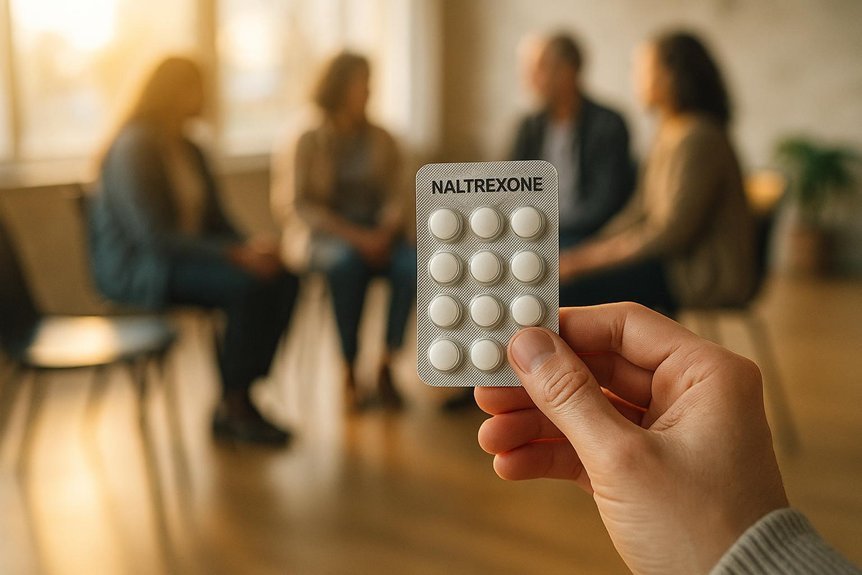

When you're dealing with alcohol withdrawal, understanding its stages—mild, moderate, and severe—is essential. Mild symptoms might start within hours, but without proper attention, they can escalate. Knowing what to watch for and when to seek help is important for safe management. The progression and intensity of symptoms vary, making tailored strategies necessary. Explore practical approaches to manage discomfort and prepare for potential challenges ahead.
Understanding Alcohol Withdrawal Symptoms
How does the body respond when you suddenly stop drinking alcohol?
Initially, you might experience mild symptoms such as anxiety and tremors, typically appearing within 6 to 12 hours.
Mild symptoms like anxiety and tremors can appear within 6 to 12 hours initially.
As you progress through the withdrawal timeline, symptom severity can increase.
Moderate symptoms like confusion and high blood pressure may surface within 24 to 48 hours.
In severe cases, you could face delirium tremens, hallucinations, or seizures, usually occurring 48 to 72 hours after cessation.
It’s vital to recognize that withdrawal varies greatly among individuals, and monitoring these stages is essential for managing risks associated with alcohol withdrawal effectively.
Causes of Alcohol Withdrawal
When you consume alcohol chronically, it alters your brain’s neurochemical balance, leading to dependency.
This dependency means that sudden abstinence disrupts your brain’s equilibrium, triggering withdrawal symptoms.
Understanding these effects highlights the importance of gradual reduction in alcohol intake to mitigate withdrawal risks.
Neurochemical Imbalance Effects
Although alcohol consumption initially alters brain chemistry in seemingly enjoyable ways, its cessation leads to a neurochemical imbalance that causes withdrawal symptoms.
You experience neurotransmitter disruption, particularly with GABA and glutamate. A GABA imbalance reduces calming effects, while a glutamate surge heightens excitability.
This withdrawal neuroadaptation includes serotonin fluctuations affecting mood and dopamine depletion impacting pleasure and reward systems.
These neurobiological effects contribute to withdrawal brain changes, intensifying cravings. The craving mechanisms are driven by your brain's attempt to restore balance.
Understanding these processes highlights the profound impact of alcohol cessation on your brain's chemistry and withdrawal experience.
Chronic Consumption Impact
Chronic alcohol consumption fundamentally alters your brain's chemistry, setting the stage for withdrawal symptoms when you stop drinking. Over time, you develop alcohol tolerance and dependency, leading to significant physiological changes.
These chronic effects increase long-term risks, including liver damage and cardiovascular issues. Social implications, such as strained relationships, often accompany these changes.
The psychological impact can be profound, affecting your mood and cognitive function. To improve health outcomes, lifestyle adjustments are vital.
The recovery timeline varies, but understanding these dynamics helps in managing dependency and planning effective interventions. Addressing these factors is essential for successful recovery.
Sudden Abstinence Response
After chronic alcohol consumption, your brain adapts to the presence of alcohol, leading to a dependency that complicates sudden cessation. When you abruptly stop drinking, your body reacts with abstinence effects, launching you into the withdrawal timeline. This response is due to your brain's struggle to regain balance without alcohol's influence.
Expect symptoms like anxiety, tremors, and seizures.
- Anxiety: Heightened nervousness and restlessness.
- Tremors: Uncontrollable shaking, often starting in the hands.
- Seizures: Severe neurological episodes, a significant concern.
Recognizing these symptoms early is essential for managing withdrawal safely and effectively. Always consult healthcare professionals for guidance.
Recognizing Mild Withdrawal Signs
When recognizing mild alcohol withdrawal signs, it's important to identify early physical symptoms like headaches and tremors.
You might also notice emotional and mental changes, including anxiety and irritability.
Understanding these signs can help in managing withdrawal effectively and reducing potential complications.
Early Physical Symptoms
Spotting the early physical symptoms of alcohol withdrawal is crucial for effective management. You may notice signs that indicate your body’s initial response to reduced alcohol intake.
Recognizing these early warning signs helps in preventing escalation. Physical discomfort often includes:
- Tremors: Slight shaking, usually in your hands.
- Sweating: Increased perspiration, even in cool conditions.
- Headaches: Persistent, tension-like pain.
These symptoms typically begin within hours after your last drink. Monitoring them closely aids in timely intervention.
Understanding these early signs guarantees appropriate care and minimizes risks associated with more severe withdrawal stages. Always consult healthcare professionals for guidance.
Emotional and Mental Changes
Recognizing the body's initial responses to alcohol withdrawal is only part of the picture. You’ll also face emotional and mental changes.
Expect mood fluctuations and stress responses as your emotional resilience is tested. Anxiety management becomes essential, as anxiety and cognitive impact may surface.
Behavioral changes, like irritability, require effective coping mechanisms. Boosting self-awareness aids in emotional regulation, helping you work through these challenges.
Psychological support is important, providing the guidance needed to understand and manage these shifts.
Managing Discomfort in Mild Withdrawal
Although mild alcohol withdrawal can be uncomfortable, effective strategies exist to manage the symptoms.
Prioritizing hydration and nutrition is vital. Water and balanced meals support your body’s recovery.
Implement relaxation techniques like breathing exercises and mindfulness practices to reduce anxiety.
Self-care strategies, such as journaling, provide emotional expression and mental clarity.
Engaging in distraction methods, like reading or walking, can alleviate discomfort.
Surround yourself with strong support systems to guarantee you’re not alone in this process.
- Hydration and nutrition: Essential for recovery.
- Relaxation and mindfulness: Manage anxiety.
- Support and self-care: Promote emotional well-being.
Moderate Withdrawal Symptoms to Watch For
When monitoring moderate alcohol withdrawal, you'll notice physical symptoms like increased heart rate and sweating, which require careful observation.
Emotional changes, including anxiety and irritability, are also common and can affect recovery progress.
Additionally, sleep disturbances frequently occur, contributing to overall discomfort and necessitating appropriate intervention.
Physical Symptoms Overview
As you manage alcohol withdrawal, understanding moderate physical symptoms is important for effective management. During the detoxification process, you might notice symptoms like increased heart rate, sweating, and tremors.
It’s essential to monitor these as they often appear within the withdrawal timeline’s early stages. Maintaining hydration is crucial; it helps alleviate discomfort and supports overall health. Nutritional needs shouldn’t be ignored, as they play an integral role in recovery.
- Hydration importance: Supports bodily functions.
- Symptom monitoring: Identifies worsening conditions.
- Medical supervision: Guarantees safety and guidance.
Utilize support systems and coping mechanisms, alongside necessary lifestyle adjustments, for ideal recovery.
Emotional Changes Noted
Recognizing emotional changes during alcohol withdrawal is just as important as monitoring physical symptoms. You might experience mood swings and increased anxiety levels.
Irritability factors could rise, affecting your daily interactions. Depression symptoms often surface, highlighting the need for effective coping mechanisms and emotional resilience.
Identifying emotional triggers is essential for managing these challenges. Psychological support plays an important role in stress management, helping you handle through social withdrawal tendencies.
Engaging with support systems can bolster your emotional health, promoting a smoother recovery.
Sleep Disturbances Common
Although often overlooked, sleep disturbances are a significant component of moderate alcohol withdrawal symptoms. You might experience insomnia, which can be managed with effective strategies.
Consider these essential approaches:
- Sleep Hygiene Tips: Maintain consistent bedtime routines and make necessary environmental adjustments.
- Relaxation Techniques: Incorporate mindfulness practices and natural remedies to ease anxiety.
- Sleep Tracking: Monitor patterns to identify effective interventions.
Employing these methods can improve your sleep quality.
Focus on insomnia management by integrating relaxation techniques. By adhering to structured bedtime routines and utilizing sleep tracking, you’ll enhance overall recovery during withdrawal.
Risks of Moderate Withdrawal
When experiencing moderate alcohol withdrawal, you face several significant risks that shouldn’t be underestimated.
Psychological effects can disrupt daily life, leading to social implications. The withdrawal timeline varies, but understanding your risk factors is vital.
Effective coping mechanisms, like engaging with support systems, are fundamental. Treatment options should be considered, ideally under medical supervision.
Without proper guidance, relapse triggers can be challenging to manage. It’s important to accept lifestyle changes that support recovery.
Severe Withdrawal: What to Expect
In severe alcohol withdrawal, you might encounter symptoms like seizures, delirium tremens, and severe agitation.
These complications require immediate medical intervention to prevent life-threatening outcomes.
Effective management involves medications such as benzodiazepines and supportive care to stabilize your condition.
Symptoms and Complications
Experiencing severe alcohol withdrawal can be an intimidating process, marked by a range of intense symptoms. These symptoms often include psychological effects like anxiety and hallucinations, which can escalate quickly.
Understanding the withdrawal timeline is important as it helps anticipate and manage these challenges. The detoxification process demands close medical supervision to mitigate complications.
Key considerations include:
- Support systems: Essential for emotional stability and reducing relapse triggers.
- Hydration importance: Significant in maintaining physiological balance during withdrawal.
- Nutrition role: Proper diet supports brain function and overall recovery.
Employing coping mechanisms and recognizing withdrawal severity guarantees a safer process through this critical phase.
Treatment and Management
Despite the challenges, effective treatment and management of severe alcohol withdrawal are achievable with proper medical intervention. You can expect medication options like benzodiazepines to manage symptoms.
Therapy approaches, including cognitive-behavioral therapy, are essential. Detox programs provide structured support, while comprehensive treatments and mindfulness practices promote overall well-being.
Nutritional support aids recovery, and lifestyle changes build long-term health. Community resources offer important connections, enhancing aftercare planning and relapse prevention efforts.
Engaging in these strategies guarantees a thorough approach, improving outcomes and reducing risks associated with severe withdrawal, paving the way for a sustainable recovery path.
Complications of Severe Withdrawal
When severe alcohol withdrawal occurs, it can lead to a range of serious complications that require immediate medical attention. You might face severe complications like withdrawal seizures, delirium tremens, and significant psychological effects. These conditions are medical emergencies that demand prompt intervention.
The cardiovascular risks associated with severe withdrawal can escalate without proper treatment protocols in place. Consider the following critical concerns:
- Withdrawal seizures can result in life-threatening situations.
- Delirium tremens may lead to confusion, hallucinations, and autonomic instability.
- Psychological effects often include severe anxiety and agitation.
Accessing support resources guarantees effective management and reduces potential harm.
Importance of Timely Intervention
Recognizing the signs of alcohol withdrawal early is vital for effective intervention. You need to act swiftly using timely intervention strategies to mitigate risks. Symptoms can escalate quickly, making prevention approaches critical.
By identifying withdrawal symptoms promptly, you reduce the likelihood of complications and facilitate smoother recovery. Implementing strategies like close monitoring and supportive care can prevent progression to more severe stages.
Evidence shows that early intervention can markedly improve outcomes, highlighting the need for vigilance. Make sure you’re prepared to respond effectively, as timely actions can be the difference between manageable symptoms and severe health risks.
Medical Treatments for Mild Withdrawal
Addressing alcohol withdrawal promptly opens the door to effective medical treatments, especially for mild cases.
You should focus on a combination of medication options and lifestyle adjustments. Prioritize hydration and nutritional support to enhance recovery. Engaging in therapy approaches like mindfulness practices and stress management helps stabilize your mood. Additionally, exercise benefits your overall well-being.
Consider these strategies:
- Self-care techniques: Integrate relaxation and mindfulness into your daily routine.
- Community resources: Utilize support groups for guidance and encouragement.
- Lifestyle adjustments: Implement healthy habits to maintain sobriety.
These interventions support resilience and pave the way for long-term recovery.
Professional Help for Moderate Withdrawal
While mild withdrawal can often be managed with self-care and lifestyle changes, moderate alcohol withdrawal requires professional intervention to confirm safety and effectiveness.
You'll need medical assessments to tailor therapy options and detox programs to your needs. Withdrawal monitoring guarantees your symptoms are managed, while psychological support aids emotional stability.
Patient education is essential, helping you with coping techniques and lifestyle adjustments. Access support resources for thorough aftercare planning, confirming long-term recovery.
When to Seek Emergency Help
How do you know when alcohol withdrawal becomes an emergency? Recognize emergency signs promptly for crisis intervention. Seek professional assessment if symptoms escalate.
Immediate care in medical facilities is essential if you notice:
Immediate care is crucial if confusion, hallucinations, seizures, or uncontrolled shaking occur.
- Confusion or hallucinations
- Seizures
- Uncontrolled shaking
Follow safety protocols and have emergency contacts ready. Use hotline numbers for support resources and guidance.
Understanding the withdrawal timeline helps in deciding when to act. Don’t wait; immediate care can prevent complications.
Professional assessment guarantees appropriate treatment and safety. Always prioritize your health by reaching out for help when severe symptoms arise.
Coping Strategies for Withdrawal Symptoms
Steering through alcohol withdrawal requires effective coping strategies to manage symptoms and support recovery. Engage in mindfulness techniques to stay present, reducing stress. Maintain nutritional support for balanced energy levels. Prioritize hydration to combat dehydration effects. Consider relaxation exercises like breathing exercises to ease tension.
| Strategy | Benefits | Practice Tips |
|---|---|---|
| Mindfulness | Reduces anxiety | Daily meditation |
| Nutritional Support | Stabilizes mood | Balanced meals |
| Hydration Importance | Prevents dehydration | Drink water regularly |
| Exercise Routines | Boosts endorphins | Regular physical activity |
Adopt journaling benefits and positive affirmations for mental clarity. Focus on sleep hygiene and effective stress management for whole-person well-being.
How to Support a Loved One
Supporting a loved one through alcohol withdrawal can be essential for their recovery experience. Effective communication strategies and emotional support help maintain stability.
Supporting a loved one through alcohol withdrawal is crucial for their recovery, ensuring effective communication and emotional stability.
Develop empathy by understanding triggers and involving the family. Creating routines can offer structure, while encouraging self-care builds resilience. Create patience and promote mindfulness to manage stress.
Consider these approaches:
- Develop coping techniques: Teach stress management and relaxation exercises.
- Promote family involvement: Attend support meetings together.
- Encourage self-care: Suggest activities like exercise or meditation.
Recognizing When to Get Medical Help
Recognizing when medical help is necessary can be an essential component of supporting someone through alcohol withdrawal. Understanding withdrawal timelines helps you identify when symptoms might escalate.
Mild symptoms typically occur within 6-12 hours, while moderate to severe symptoms, like seizures or delirium tremens, can appear 24-72 hours after the last drink.
Be aware of risk factors such as a history of severe withdrawal, coexisting medical conditions, or high alcohol dependence.
If you notice confusion, hallucinations, or a rapid heartbeat, seek medical assistance immediately. Don’t wait for symptoms to worsen; early intervention is key to ensuring safety and effective treatment.
Strategies for Long-Term Recovery
To support long-term recovery from alcohol withdrawal, you should focus on building supportive networks and establishing healthy habits.
Research indicates that strong social connections can greatly enhance resilience and reduce relapse risk.
Additionally, incorporating regular physical activity and balanced nutrition can improve overall well-being and support sustained recovery.
Building Supportive Networks
While stepping long-term recovery from alcohol withdrawal, it’s crucial to build supportive networks that develop resilience and accountability. You need strong social connections that provide emotional support and guidance.
Use community resources, such as outreach programs and recovery mentorship, to enhance your road. Engage with peer networks that understand your challenges and can offer shared experiences.
- Family involvement strengthens therapeutic alliances and reinforces a sense of belonging.
- Friendship bonds promote emotional stability and create reliable accountability partners.
- Professional networks offer structured support through therapy and counseling.
These elements collectively help your recovery, ensuring sustainable progress and well-being.
Establishing Healthy Habits
Developing healthy habits is fundamental for sustaining long-term recovery from alcohol withdrawal. Establishing healthy routines helps maintain a positive mindset.
Prioritize self-care practices and goal setting to support your course. Focus on nutrition to stabilize mood and energy levels.
Incorporate exercise benefits, like improved physical health and stress management. Use mindfulness techniques to stay present and reduce anxiety.
Strengthen social connections for emotional support and accountability. Engage in daily journaling to track progress and reflect on experiences.
These strategies create a strong foundation for recovery, enabling you to deal with challenges with resilience and confidence.
Benefits of Support Groups in Recovery
Although overcoming alcohol withdrawal is challenging, support groups play an essential role in recovery. They offer a structured environment where you can build peer connections and gain emotional support.
Engaging with accountability partners helps maintain commitment through shared experiences. You’ll benefit from:
- Open discussions: Explore coping strategies and address concerns in a safe space.
- Group activities and social interactions: Encourage motivation boosters by engaging in collective tasks.
- Recovery processes: Learn from others’ paths and adapt successful techniques.
Accepting these elements enhances resilience and provides a foundation for sustained recovery. Support groups are invaluable in reinforcing your sobriety.
Building a Sustainable Sobriety Plan
To build a sustainable sobriety plan, it’s essential to integrate structured strategies that address both physical and psychological needs.
Start with sober living environments that support relapse prevention. Engage in mindfulness practices to enhance emotional resilience and identify triggers.
Begin with supportive sober living spaces and mindfulness to boost emotional resilience and recognize triggers.
Establish accountability partners who reinforce your commitment. Implement self-care routines as coping mechanisms to manage stress effectively.
Goal setting will guide your progress, while lifestyle changes guarantee lasting impact.
Develop trigger management techniques to get through challenging situations.