
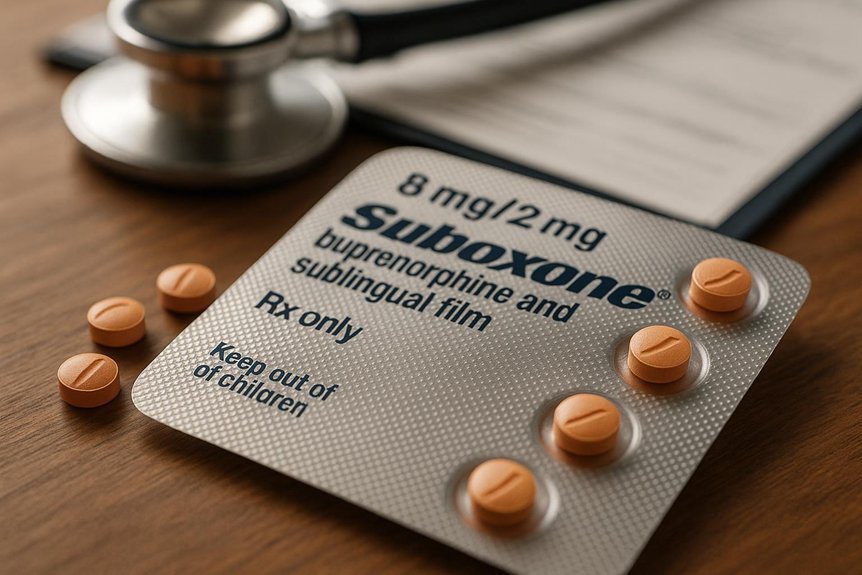
Suboxone: What It Is and How It Treats Opioid Dependence
You're considering Suboxone for opioid dependence, a medication that combines buprenorphine and naloxone to ease cravings and withdrawal. By binding to mu-opioid receptors, it helps stabilize brain chemistry while minimizing euphoric effects, reducing misuse risk. Its benefits include relapse prevention and improved recovery outcomes, but it requires careful monitoring. Wondering how Suboxone measures up against traditional treatments and if it's right for you? Here is these aspects further.
How Does Suboxone Work in the Brain?
How exactly does Suboxone work in the brain to address opioid dependence? Suboxone binds to brain receptors, reducing opioid cravings and withdrawal symptoms. It partially activates these receptors, providing relief without the high, which helps in treatment adherence. patient experiences often highlight a reduction in cravings, allowing a focus on recovery. Dosage guidelines are essential; they guarantee ideal effects and minimize risks. Typically, you’ll start with a higher dose, tapering as stability improves. A clear withdrawal timeline supports this process. Integrating therapy enhances success, addressing behavioral aspects alongside Suboxone’s physiological effects.
Understanding Suboxone’s Impact
You’ll find that Suboxone’s mechanism of action involves partial agonism at the mu-opioid receptor, which helps reduce cravings and withdrawal symptoms.
While it offers significant benefits in managing opioid dependence, it’s essential to weigh the risks, such as potential dependency and side effects.
Long-term use requires careful monitoring, as it can impact both physical and psychological health over time.
Mechanism of Action
While addressing opioid dependence, understanding Suboxone’s mechanism of action is vital. Suboxone targets opioid receptors, significant in addiction biology, to stabilize neurochemical balance.
It combines buprenorphine, a partial agonist, and naloxone, an antagonist, to reduce cravings and withdrawal symptoms. Administering a therapeutic dosage is key, adhering to treatment protocols to guarantee patient compliance and manage the withdrawal timeline effectively.
Incorporating counseling support enhances outcomes and aids stigma reduction. Being aware of pharmacological interactions is critical to avoid complications.
Suboxone’s strategic action supports recovery, offering a structured path through evidence-based treatment tailored to individual needs.
Benefits and Risks
Suboxone’s mechanism of action sets the foundation for understanding its benefits and risks in treating opioid dependence.
Regarding a benefits overview, Suboxone effectively reduces withdrawal symptoms and cravings, enhancing compliance and aiding recovery. It's less likely to cause euphoria, lowering the risk of misuse.
However, a risks assessment reveals potential for dependency, respiratory depression, and interactions with other substances. You must consider the possibility of withdrawal symptoms if usage stops abruptly.
Always consult healthcare professionals to weigh the benefits against risks, ensuring Suboxone is the right choice for your opioid dependence treatment plan.
Long-Term Effects
Though not without challenges, understanding the long-term effects of Suboxone is essential for anyone considering it for opioid dependence.
Suboxone can influence your long-term health by reducing opioid cravings and stabilizing your path to recovery. However, it’s vital to recognize potential psychological effects and the role of treatment adherence in maintaining progress.
Social implications, including addiction stigma, can affect family dynamics and relationships. Suboxone use often leads to lifestyle changes that support sustained recovery.
- Long-term health: Stabilizes opioid cravings.
- Psychological effects: Impacts emotional well-being.
- Social implications: Affects relationships, stigma.
- Lifestyle changes: Supports recovery.
Liberation Way's helpline is free, confidential, and available 24/7. A treatment specialist can help you understand your options.
Call (866) 275-3142Benefits of Using Suboxone for Recovery
When considering treatment options for opioid dependence, using Suboxone offers significant benefits. It effectively reduces withdrawal symptoms and cravings, making the path to recovery smoother.
Many success stories highlight how Suboxone enables individuals to regain control over their lives. It's a proven treatment option that combines buprenorphine and naloxone to minimize misuse potential while promoting recovery.
By stabilizing brain chemistry, Suboxone allows you to focus on rebuilding other aspects of your life. Its accessibility and effectiveness make it a strong choice for those seeking a structured recovery process.
Trust in its ability to support long-term recovery goals.
Suboxone vs. Traditional Treatments
When comparing Suboxone to traditional treatments, Suboxone often excels in relapse prevention due to its unique properties that reduce cravings.
It also effectively manages withdrawal symptoms, making it a preferred choice for many.
Additionally, Suboxone's availability in outpatient settings increases access, offering a significant advantage over more intensive traditional methods.
Effectiveness in Relapse Prevention
While considering treatment options for opioid dependence, understanding the effectiveness of Suboxone in preventing relapse compared to traditional treatments is essential.
Suboxone can provide a steady approach to managing relapse triggers by stabilizing brain chemistry. It often results in fewer cravings, allowing you to focus on recovery strategies without constant distraction.
- Reduced cravings: Suboxone targets opioid receptors, minimizing urges.
- Improved retention: Patients tend to stay longer in treatment programs.
- Lower relapse rates: Evidence shows decreased relapse frequency.
- Enhanced focus: With stabilized brain function, you can better engage in therapy.
Suboxone’s benefits make it a compelling choice over traditional methods.
Withdrawal Symptom Management
Suboxone not only excels in relapse prevention but also plays a significant role in managing withdrawal symptoms effectively. During the detox process, Suboxone provides symptom relief, reducing discomfort and aiding adherence to medication. It supports personalized treatment by addressing both physical and emotional support needs, essential for a smoother recovery timeline.
| Aspect | Suboxone vs. Traditional Treatments |
|---|---|
| Detox Process | Streamlined |
| Symptom Relief | Enhanced |
| Emotional Support | Integrated |
| Personalized Treatment | Tailored Approach |
| Recovery Timeline | Accelerated |
Suboxone encourages lifestyle changes and counseling integration, promoting comprehensive recovery. Its all-encompassing strategy guarantees a balanced approach to withdrawal management.
Access and Availability
Although access to Suboxone has improved in recent years, it still faces challenges compared to traditional opioid treatments. Prescription challenges and insurance coverage remain significant barriers.
Availability issues often stem from limited prescribers and regulatory hurdles. However, telehealth options and community resources are expanding treatment availability, helping reduce stigma and access barriers.
- Availability issues: Limited number of certified prescribers.
- Prescription challenges: Regulatory restrictions complicate access.
- Insurance coverage: Varies widely, affecting affordability.
- Stigma reduction: Telehealth and community resources improve perception.
Is Suboxone Right for You?
Determining if Suboxone is right for you involves understanding its benefits and limitations in treating opioid dependence. Consider the Suboxone eligibility criteria: a confirmed diagnosis of opioid use disorder and willingness to engage in therapy. Patient testimonials highlight improved quality of life, though individual experiences vary. Consulting with a healthcare provider guarantees a personalized approach.
Here's a quick comparison:
| Aspect | Insight |
|---|---|
| Eligibility | Diagnosis required |
| Patient Experience | Generally positive |
| Treatment Setting | Outpatient |
| Counseling Requirement | Strongly recommended |
| Medical Supervision | Essential |
Evaluate these factors to make an informed decision.
Common Side Effects and Important Considerations
While deciding if Suboxone suits your needs, it's important to understand the common side effects and key considerations involved. The side effects overview includes nausea, headache, and insomnia, which are often manageable but require attention.
Dosage considerations are essential; starting with the correct dosage can minimize unwanted effects and enhance effectiveness. Always follow your healthcare provider's guidance to guarantee safety and efficacy.
Consider these points:
- Nausea: Often experienced initially, usually subsides.
- Headache: Can occur; hydration may help.
- Insomnia: Monitor sleep patterns and discuss with your doctor.
- Dosage Adjustments: Regular reviews guarantee ideal treatment.
Stay informed and proactive in your treatment.
Finding Support for Your Suboxone Experience
How can you guarantee success on your Suboxone process? Engage actively in support groups and online forums. These platforms offer peer support and shared experiences.
Explore therapy options, including cognitive-behavioral therapy, which enhances coping strategies. Family involvement is vital; involve loved ones to strengthen your support network.
Consider recovery coaches who provide personalized guidance. Utilize community resources like educational workshops to stay informed and motivated.
Peer support helps create accountability and encouragement essential for recovery. By combining these resources, you’re building a comprehensive foundation for success, ensuring your Suboxone path is both supported and sustainable.