
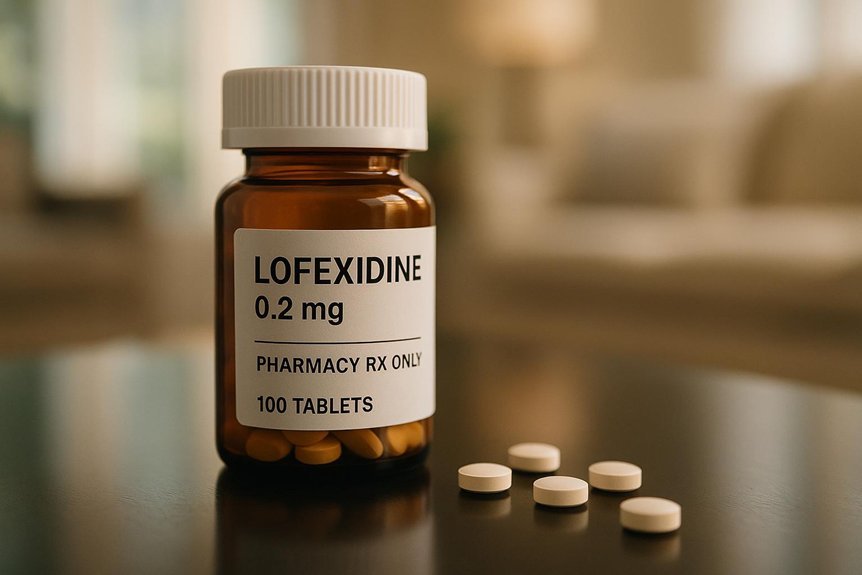
Lofexidine (Lucemyra) for Opioid Withdrawal
You might be exploring options for managing opioid withdrawal, and Lofexidine (Lucemyra) could be a compelling choice. This non-opioid medication works as an alpha-2 adrenergic agonist, effectively reducing norepinephrine release to alleviate withdrawal symptoms like anxiety and muscle aches. Its non-addictive nature and rapid action provide relief during detoxification, supporting healthier recovery strategies. But how does it truly stack up in effectiveness and suitability for your needs?
How Lofexidine Eases Opioid Withdrawal
When dealing with opioid withdrawal, lofexidine plays an essential role by targeting the body's response to the absence of opioids.
It's a non-opioid medication that helps you manage withdrawal symptoms, making the process more tolerable. By reducing the release of norepinephrine, lofexidine eases symptoms like anxiety, agitation, and muscle aches.
Incorporating alternative therapies alongside lofexidine can enhance your comfort and support long-term recovery. This combination can improve coping strategies, allowing you to focus on sustainable healing.
Understanding Opioid Withdrawal Symptoms
You're likely aware that opioid withdrawal brings intense physical and psychological challenges, including nausea, muscle aches, anxiety, and insomnia.
These symptoms occur because your body has adapted to the presence of opioids, creating a dependency that disrupts normal functioning when the drug is absent.
Understanding these symptoms is essential for managing withdrawal effectively and ensuring a safer recovery process.
Common Withdrawal Symptoms
Although opioid withdrawal can be challenging, understanding its common symptoms is essential for effective management.
You might experience a range of emotional symptoms such as anxiety, irritability, and mood swings. These can be influenced by duration factors, including how long you’ve used opioids and the dosage.
Typically, withdrawal symptoms begin within hours of the last dose and can peak in a few days. Recognizing these patterns helps you prepare for and manage the withdrawal process effectively.
Staying informed about what to expect allows you to seek appropriate treatment and support, making the path through withdrawal more manageable and less intimidating.
Physical and Psychological Effects
Experiencing opioid withdrawal can be physically and psychologically taxing. You'll face intense physical discomfort and need psychological resilience to endure the process. Symptoms challenge both body and mind, demanding strength and patience.
- Sweating: Your skin may become clammy, leaving you feeling chilled.
- Muscle Aches: Pain can spread through your body, making movement difficult.
- Anxiety: Overwhelming feelings of worry can consume your thoughts.
- Insomnia: Sleepless nights might leave you exhausted and irritable.
- Cravings: Intense urges to use opioids can test your resolve.
Understanding these effects helps in preparing mentally and physically for recovery.
Liberation Way's helpline is free, confidential, and available 24/7. A treatment specialist can help you understand your options.
Call (866) 275-3142How Lofexidine Works in the Brain
You’ll find that lofexidine works by acting as an alpha-2 adrenergic agonist, which helps to calm the brain's heightened activity during opioid withdrawal.
This action reduces the release of norepinephrine, a key player in withdrawal symptoms, easing the intensity you might experience.
Alpha-2 Adrenergic Agonist
Lofexidine functions as an alpha-2 adrenergic agonist, playing a critical role in managing opioid withdrawal symptoms. It targets alpha 2 receptors, modulating adrenergic signaling to reduce noradrenaline release. This action helps stabilize the autonomic nervous system, which is essential during withdrawal.
Imagine how Lofexidine affects the brain:
- Dampens excessive adrenergic activity
- Calms heightened autonomic responses
- Decreases sympathetic outflow
- Reduces stress-related neurotransmitter release
- Stabilizes overall neural activity
These mechanisms guarantee Lofexidine effectively supports those experiencing withdrawal, offering a scientifically-backed approach to managing these challenging symptoms.
Reducing Withdrawal Symptoms
Although opioid withdrawal can be challenging, understanding how Lofexidine works in the brain provides clarity.
Lofexidine targets the alpha-2 adrenergic receptors, reducing the release of norepinephrine. This action helps alleviate symptoms associated with opioid dependence. By dampening the hyperactivity in the brain, Lofexidine eases the withdrawal timeline, making symptoms like anxiety, agitation, and insomnia more manageable.
You’ll find that it doesn’t eliminate withdrawal entirely, but it considerably reduces its intensity, aiding in a smoother change. This approach offers a non-opioid option, essential for those seeking to overcome dependence without introducing new addictive substances.
Benefits of Using Lucemyra for Relief
Lucemyra, known generically as lofexidine, offers significant benefits for those seeking relief from opioid withdrawal symptoms. Its advantages lie in its ability to alleviate discomfort without the addictive risks associated with other treatments.
As you consider Lucemyra, you'll find:
- Rapid action: Provides quick relief from withdrawal symptoms.
- Non-addictive: Reduces dependency risk compared to alternative medications.
- Symptom relief: Eases physical symptoms like chills and sweating.
- Mental clarity: Helps maintain cognitive function during withdrawal.
- Flexibility: Suitable for a wide range of patients.
These benefits underscore Lucemyra's effectiveness in managing withdrawal, making it a valuable option in recovery.
How Effective Is Lofexidine?
Studies indicate it can markedly reduce symptoms like anxiety and agitation, enhancing patient experiences during detoxification. While not a cure, it aids short-term relief, making the withdrawal process more tolerable.
However, its impact on long-term outcomes remains less clear. Patients often report improved initial comfort, but sustained recovery depends on extensive treatment plans beyond lofexidine use.
Its effectiveness as part of a broader strategy is noted, but it’s vital to tailor approaches to individual needs for best results.
Comparing Lofexidine to Opioid-Based Treatments
When comparing lofexidine to opioid-based treatments, lofexidine offers a non-opioid alternative with a favorable safety profile.
It effectively manages withdrawal symptoms, though it may not address them as thoroughly as medications like methadone or buprenorphine.
However, lofexidine's non-addictive nature makes it a valuable option for those seeking to avoid further opioid use.
Efficacy and Safety Comparison
While considering treatments for opioid withdrawal, it’s crucial to compare the efficacy and safety of lofexidine with opioid-based options. Lofexidine, a non-opioid, offers significant advantages regarding treatment adherence and long-term outcomes.
It’s less likely to cause dependency and can be a safer choice for many.
- Reduced dependency risk: Lofexidine isn't addictive, unlike some opioid-based treatments.
- Fewer side effects: Often fewer adverse effects reported.
- Improved adherence: Patients may stick to treatment better due to its non-opioid nature.
- Long-term benefits: Potential for sustainable recovery without opioid reliance.
- Suitable for more patients: Broad applicability across different demographics.
Withdrawal Symptom Management
Although managing withdrawal symptoms is challenging, lofexidine provides a promising alternative to traditional opioid-based treatments. Unlike opioids, lofexidine doesn't carry the risk of dependency, making it a safer option for withdrawal management.
It effectively reduces symptoms like anxiety, agitation, and muscle aches, offering a smoother changeover. Support strategies, including counseling and behavioral therapies, complement lofexidine, enhancing its efficacy.
This combination not only alleviates immediate discomfort but also supports long-term recovery. By minimizing withdrawal distress without introducing new dependencies, lofexidine becomes a pivotal part of a thorough, sustainable recovery plan, encouraging healthier outcomes for those battling addiction.
Easing Anxiety and Agitation
Managing anxiety and agitation during opioid withdrawal is essential, and lofexidine can play a crucial role in providing relief. It’s proven effective in anxiety reduction and agitation relief, helping you manage this challenging phase.
By acting on the central nervous system, lofexidine decreases the severity of withdrawal symptoms.
Imagine the impacts:
- Calmer mind: Reduced racing thoughts
- Steadier hands: Less tremor-induced agitation
- Controlled breathing: Smoother, deeper breaths
- Improved focus: Clearer, more organized thinking
- Relaxed posture: Alleviated physical tension
Harnessing lofexidine can greatly enhance your comfort and stability during withdrawal.
Easing Muscle Aches With Lofexidine
Experiencing muscle aches during opioid withdrawal can be intimidating, but lofexidine offers effective relief. This medication helps ease discomfort by reducing sympathetic tone, allowing muscles to relax. You can enhance its benefits by incorporating muscle relaxation techniques and alternative therapies like yoga or massage. These approaches complement lofexidine and improve your overall comfort.
Here’s a quick comparison:
| Approach | Benefits | Considerations |
|---|---|---|
| Lofexidine | Reduces withdrawal symptoms | Prescription required |
| Muscle Relaxation Techniques | Enhances relaxation | Requires practice |
| Alternative Therapies | Comprehensive support | May need professional guidance |
Using these methods together can greatly improve your withdrawal experience.
Who Benefits Most From Lucemyra?
Lofexidine not only eases muscle aches but also serves a broader purpose in opioid withdrawal management. If you’re a Lofexidine candidate, you might experience its benefits during detox.
Lucemyra's effectiveness is notable in reducing withdrawal symptoms, especially for those seeking non-opioid options.
Consider if you:
- Struggle with intense withdrawal symptoms
- Seek a non-addictive alternative
- Need short-term relief during detox
- Prefer a non-opioid treatment approach
- Are transitioning to long-term recovery strategies
Lucemyra is particularly effective for individuals aiming to manage withdrawal symptoms without the risk of addiction from treatment itself.
Understanding Side Effects of Lofexidine
While effective in easing withdrawal symptoms, it’s essential to understand the potential side effects of Lofexidine. You might experience low blood pressure, dizziness, or dry mouth. Monitoring your body's response is important, especially during dosage changes. Dosage considerations are key; follow your healthcare provider’s guidance to minimize risks.
| Side Effect | Frequency | Dosage Considerations |
|---|---|---|
| Low Blood Pressure | Common | Adjust dose carefully |
| Dizziness | Common | Avoid sudden movements |
| Dry Mouth | Less Common | Stay hydrated |
| Insomnia | Rare | Monitor sleep patterns |
| Bradycardia | Rare | Regular heart checks |
Stay informed to guarantee safe treatment.