
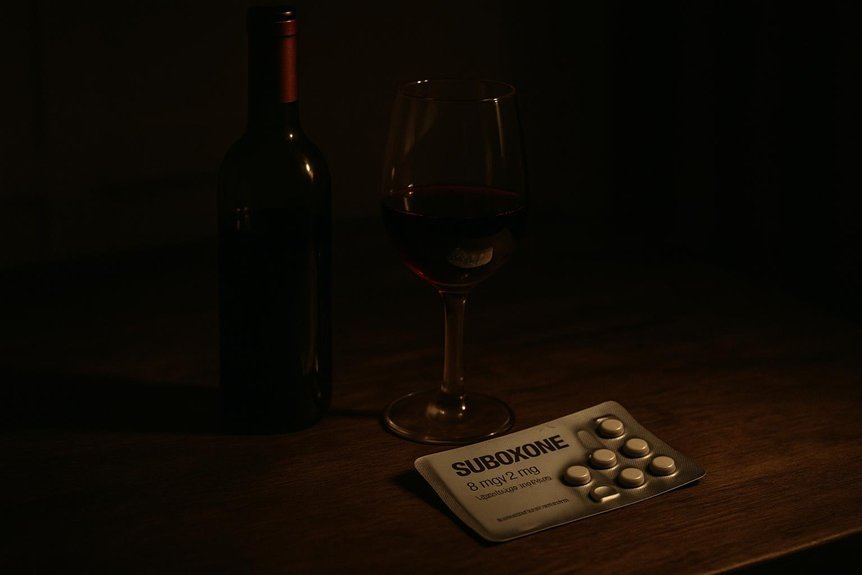
Can You Drink Alcohol While on Suboxone?
When you're undergoing Suboxone therapy, consuming alcohol isn't just ill-advised—it's potentially dangerous. Both substances act as central nervous system depressants, which can lead to severe sedation, impaired judgment, and even respiratory depression. These risks aren't just theoretical; they can manifest in life-threatening situations. Understanding the interactions between alcohol and Suboxone is essential for your safety and recovery. But what exactly happens when you mix them, and why is it so risky?
What Is Suboxone and How Does It Work?
Suboxone, a combination of buprenorphine and naloxone, is a medication used to treat opioid addiction. Its formulation targets opioid dependence by reducing cravings and withdrawal symptoms.
The treatment efficacy of Suboxone is well-documented, aiding in addiction recovery through structured dosage guidelines. You must understand its therapeutic benefits and how it manages withdrawal while avoiding medication interactions.
Patient education is key, ensuring you grasp the importance of adherence to prescribed doses. Long-term effects of Suboxone can support sustained recovery, but it’s essential to follow professional guidance to maximize benefits and mitigate potential issues related to its use.
The Risks of Mixing Alcohol With Suboxone
Mixing alcohol with Suboxone considerably heightens sedation effects, increasing the risk of dangerous respiratory depression.
You may also experience impaired judgment, which can lead to risky behaviors and potential harm.
It's essential to understand these combined effects to avoid serious health consequences.
Increased Sedation Effects
When you combine alcohol with Suboxone, the risk of increased sedation effects becomes a significant concern.
Both substances can prolong sedation duration due to their impact on the central nervous system. Suboxone, a partial opioid agonist, already induces sedation. Adding alcohol, which similarly slows down brain activity, amplifies this effect.
Your body's alcohol metabolism can become compromised, leading to prolonged and intensified sedation. Clinically, this interaction heightens the risk of impaired cognitive and motor functions.
It's essential to recognize that combining these substances may lead to unpredictable sedation levels, undermining your safety and daily functioning.
Respiratory Depression Risk
Combining alcohol with Suboxone not only increases sedation but also poses a severe risk of respiratory depression. This interaction compromises your respiratory health by slowing breathing, potentially leading to life-threatening conditions. Alcohol and Suboxone both depress the central nervous system, enhancing each other's effects.
| Factor | Impact on Respiratory Health |
|---|---|
| Alcohol | Depresses central nervous system |
| Suboxone | Reduces respiratory drive |
| Combined Use | Increases risk of respiratory failure |
| Medication Interactions | Heightens CNS depression |
Understanding these medication interactions is essential. If you're on Suboxone, avoid alcohol to protect your respiratory health and reduce the risk of severe complications.
Impaired Judgment Concerns
While considering the use of Suboxone, it’s vital to recognize the risks of impaired judgment when alcohol is involved.
Combining these substances can greatly affect cognitive function, leading to decision-making challenges. Alcohol augments Suboxone’s effects, resulting in decreased alertness and heightened risk-taking behaviors.
This interaction can impair your ability to make safe and rational choices, potentially endangering yourself and others. Clinical evidence suggests that both substances depress the central nervous system, exacerbating cognitive deficits.
It’s important to understand these risks and avoid combining alcohol with Suboxone to maintain ideal judgment and safeguard your safety and well-being.
Liberation Way's helpline is free, confidential, and available 24/7. A treatment specialist can help you understand your options.
Call (866) 275-3142Side Effects of Alcohol With Suboxone
Although it might seem harmless, drinking alcohol while taking Suboxone can lead to serious side effects. The combination of these substances can intensify alcohol interactions, resulting in respiratory depression, sedation, and impaired cognitive function.
These effects pose substantial recovery challenges, as they can undermine your treatment progress. Alcohol and Suboxone both depress the central nervous system, increasing the risk of overdose and potentially life-threatening consequences.
It's essential to understand this interaction's dangers and prioritize your health and recovery goals. Always consult healthcare professionals to guarantee a safe and effective path to overcoming substance dependence.
What Do Doctors Recommend About Drinking on Suboxone?
Ever wonder why doctors advise against drinking alcohol while on Suboxone? It's based on clinical evidence and doctor recommendations that highlight the risks.
Combining alcohol with Suboxone can intensify side effects like dizziness, respiratory depression, and impaired judgment. These alcohol guidelines are designed to protect your health and optimize treatment outcomes.
Intensified side effects can occur when alcohol is combined with Suboxone, impacting health and treatment effectiveness.
Doctors emphasize that avoiding alcohol entirely while on Suboxone is essential. This precaution helps prevent potential interactions that compromise your recovery process.
Adhering to these guidelines guarantees you're prioritizing your safety and well-being, aligning with the most effective path for managing opioid dependence.
How Alcohol Affects Your Suboxone Recovery
Understanding how alcohol affects your Suboxone recovery is essential for optimizing treatment success. Alcohol impact complicates recovery challenges by amplifying emotional effects and increasing relapse triggers. Social pressures can derail progress, demanding effective coping mechanisms and support systems. Long-term consequences include potential health considerations and lifestyle adjustments.
| Factor | Description |
|---|---|
| Emotional effects | Heightened emotions and mood instability |
| Social pressures | Increased temptation in social settings |
| Long-term consequences | Potential health issues and setbacks |
Signs It's Best to Avoid Alcohol While on Suboxone
You should refrain from alcohol while on Suboxone due to the increased risk of side effects, including nausea and dizziness.
Combining these substances can lead to respiratory depression, a serious and potentially life-threatening condition.
Additionally, alcohol can impair your judgment and coordination, undermining your recovery efforts.
Increased Risk of Side Effects
While combining alcohol with Suboxone can seem harmless, it greatly increases the risk of adverse side effects. Alcohol interactions with Suboxone can amplify dizziness, nausea, and impaired judgment.
These symptoms not only hinder daily functioning but also pose significant recovery challenges. Your body’s response to Suboxone is carefully calibrated, and introducing alcohol disrupts this balance.
This disruption can exacerbate withdrawal symptoms and compromise your treatment effectiveness. It's essential to prioritize your health by recognizing these signs and avoiding alcohol.
Protecting your recovery process requires vigilance and commitment, steering clear of substances that may undermine your progress.
Potential for Respiratory Depression
Suboxone's interaction with alcohol doesn't just heighten side effects—it also poses a serious risk of respiratory depression.
When you combine Suboxone with alcohol, the central nervous system's respiratory effects can become dangerously suppressed. This suppression can lead to shallow breathing, reduced oxygen levels, and, in severe cases, cessation of breathing altogether.
The overlap in action of these substances increases overdose potential considerably. Consequently, if you're on Suboxone, it's vital to avoid alcohol to prevent life-threatening complications.
Understanding this risk underscores the importance of cautious medication management and the necessity of consulting healthcare providers before mixing substances.
Impaired Judgment and Coordination
Even though alcohol might seem harmless in small amounts, combining it with Suboxone can markedly impair judgment and coordination.
This combination exacerbates cognitive decline, leading to significant decision-making difficulties. When your brain's ability to process information and respond appropriately is compromised, everyday tasks become hazardous. You might find it challenging to assess risks accurately or react swiftly in critical situations.
Additionally, alcohol and Suboxone both depress the central nervous system, further impairing motor skills. This dual impact increases the likelihood of accidents and injuries.
It's essential to understand these risks and avoid alcohol while on Suboxone to guarantee safety.
How to Manage Social Events Without Drinking
Handling social events without drinking can be challenging, but it's entirely manageable with the right strategies. Employing effective social strategies enhances your experience. Prioritize sober activities to stay engaged and focused. Communicate your sobriety confidently; it sets clear boundaries. Choose venues that support non-alcoholic options.
| Social Strategy | Sober Activity |
|---|---|
| Plan an exit strategy | Engage in conversation |
| Stay hydrated | Participate in games |
| Focus on connections | Enjoy music |
| Practice mindfulness | Offer to drive |
These methods guarantee you get through social settings effectively, encouraging a supportive and enjoyable environment.
Enjoying Sobriety: Alternatives to Drinking
How can you fully take on sobriety while exploring alternatives to drinking? Engaging in mindful activities and attending sober gatherings can enhance your experience. Consider these options:
- Creative hobbies: Pursue painting, writing, or music to stimulate your mind.
- Support networks: Join groups that encourage sobriety and provide a sense of belonging.
- Healthy substitutes: Opt for non-alcoholic beverages that satisfy your social rituals.
- Alternative celebrations: Organize community events focused on wellness and connection.
These engaging pastimes offer fulfilling ways to enjoy life without alcohol, developing well-being and resilience.
Accept these strategies to thrive in sobriety.
Personal Experiences: Alcohol and Suboxone Stories
You might encounter real-life challenges when combining alcohol with Suboxone, as these substances can interact unpredictably.
Understanding others' experiences can provide valuable insights into the complications and risks involved.
It's essential to explore effective coping strategies to maintain safety and support your path to recovery.
Real-Life Challenges Shared
Though managing life on Suboxone presents its own set of challenges, adding alcohol to the mix can complicate the recovery considerably.
You’ll encounter real-life struggles as personal testimonies highlight the emotional challenges faced. Support networks become essential, yet social pressures can undermine progress.
Consider these scenarios:
- Emotional turbulence: Mixing substances can intensify mood swings.
- Lifestyle adjustments: Adapting to new routines is critical.
- Peer support reliance: Engaging with those who’ve walked similar paths aids resilience.
- Community resources: Utilizing available services guarantees access to coping mechanisms.
Managing these complexities requires dedication and a commitment to recovery paths.
Coping Strategies Explored
Steering through life on Suboxone alongside alcohol consumption requires nuanced coping strategies. You’ll find mindfulness techniques essential for maintaining focus and emotional regulation.
Stress management becomes important; integrate self-care practices like meditation or yoga. Engage in healthy coping by exploring alternative activities that divert from alcohol use, such as exercise or art.
Social support is critical—lean on trusted friends or family, and participate in community resources like support groups. These networks provide guidance and shared experiences.
Prioritizing these strategies supports resilience, helping you work through the complexities of both Suboxone and alcohol with informed, evidence-based approaches.
Making Informed Choices for Safe Recovery
Managing the path to recovery requires careful consideration of the interactions between Suboxone and alcohol. Understanding these dynamics guarantees your safety and progress.
Suboxone can interact with alcohol, potentially leading to respiratory depression or cognitive impairment. To make informed choices, consider the following:
- Consult Health Professionals: Regularly discuss your treatment with your doctor.
- Utilize Support Systems: Engage with support groups to strengthen your resolve.
- Monitor Recovery Milestones: Track your progress to stay motivated and informed.
- Educate Yourself: Stay informed about potential risks to avoid setbacks.
Prioritize safety by making informed decisions on your recovery process.