
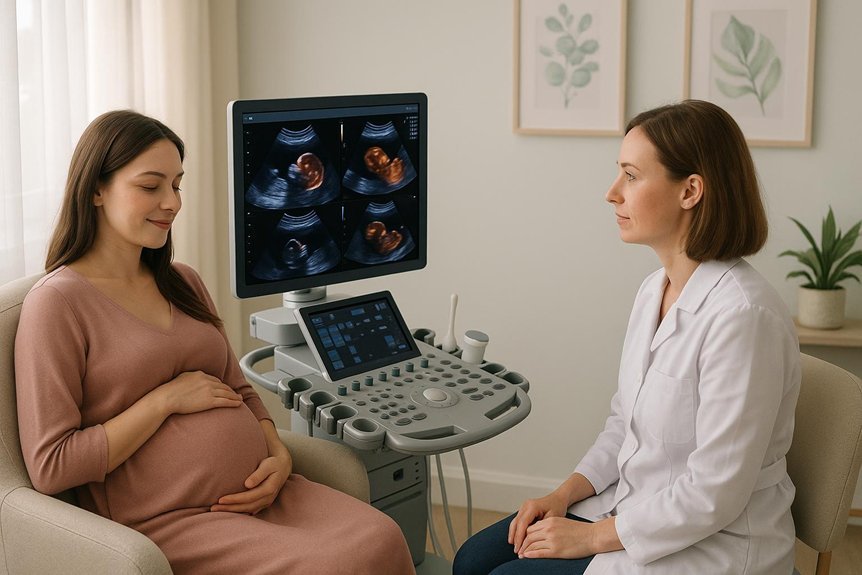
IOP for Pregnant Women
You're managing pregnancy and might be considering an Intensive Outpatient Program (IOP). These programs are essential, addressing both your physical and emotional needs with tailored support. By integrating therapies and medical care, they offer a thorough approach to guarantee your well-being and that of your baby. Wondering about how they tackle mental health challenges or what elements make them successful? Let’s explore how IOPs can support your recovery through pregnancy and beyond.
What Is an Intensive Outpatient Program for Pregnant Women?
When facing the challenges of substance use during pregnancy, an Intensive Outpatient Program (IOP) can provide essential support and treatment.
In an IOP, you’ll engage in structured sessions several times a week, focusing on recovery while maintaining daily responsibilities. Comprehensive therapies, such as meditation and nutrition counseling, are integrated to address your physical, emotional, and mental health.
Structured sessions help focus on recovery, blending meditation and nutrition to support overall well-being while managing daily life.
Group dynamics play a significant role as you connect with peers facing similar challenges, supporting a supportive community. This setting encourages shared experiences and mutual understanding, which are crucial for recovery.
The program’s flexibility allows you to balance treatment with daily life.
Why Do Pregnant Women Need Specialized Support?
You need specialized support during pregnancy to address unique health challenges that can arise.
Focusing on your emotional well-being is vital, as it directly impacts both you and your baby.
Additionally, evaluating and meeting your nutritional needs guarantees a healthier pregnancy path.
Unique Health Challenges
Pregnant women face unique health challenges that necessitate specialized support due to the complex physiological changes their bodies undergo. Hormonal changes can lead to pregnancy complications that require careful monitoring.
Managing stress is essential, as it impacts both mother and baby. Lifestyle adjustments become important, from nutrition to exercise, to guarantee optimal health.
Building strong support networks can provide emotional and practical help. Prenatal education is significant, equipping you with knowledge to get through these changes effectively.
Emotional Well-Being Focus
Amidst the myriad changes of pregnancy, ensuring emotional well-being is essential, as it directly impacts both maternal and fetal health.
You need specialized support to handle unique emotional shifts during this time. Stress management techniques are vital in reducing anxiety and promoting a healthier pregnancy.
Engaging in prenatal mindfulness practices can help you stay present and calm, building a positive environment for your baby. Evidence shows that emotional stability can lead to better birth outcomes.
Nutritional Needs Assessment
While expecting, understanding your nutritional needs is important, as they differ considerably from non-pregnant individuals. You require proper nutritional guidelines to guarantee a healthy pregnancy.
Prenatal vitamins and dietary supplements support essential nutrient intake, while macronutrient balance is key for you and your baby. Meal planning helps manage appetite changes and assures nutrient timing is ideal.
Don’t forget the hydration importance for amniotic fluid and circulation. Cultural considerations can influence food choices, so adapt accordingly.
Always prioritize food safety to prevent harmful exposures. With specialized support, you'll work through pregnancy's unique demands effectively and safely.
Liberation Way's helpline is free, confidential, and available 24/7. A treatment specialist can help you understand your options.
Call (866) 275-3142Essential Elements of Successful IOPs
To guarantee the success of an Intensive Outpatient Program (IOP) for pregnant women, you need a thorough care approach that addresses both physical and mental health.
Personalized treatment plans are essential, as they cater to individual needs and circumstances.
Additionally, encouraging a supportive community environment encourages engagement and resilience.
Comprehensive Care Approach
A thorough care approach in Intensive Outpatient Programs (IOPs) for pregnant women is essential for achieving successful outcomes.
You’ll find that integrating whole-person wellness and prenatal mindfulness into these programs supports both mental and physical health. By focusing on the whole person, IOPs can address emotional, psychological, and medical needs.
Prenatal mindfulness practices help reduce stress and improve coping skills, which are vital during pregnancy. Evidence shows that when you engage in such all-encompassing care, it enhances your overall well-being and supports a nurturing environment for both you and your baby, making the path smoother and more supportive.
Personalized Treatment Plans
Developing personalized treatment plans is essential for the success of Intensive Outpatient Programs (IOPs) for pregnant women. You need an approach that focuses on personalized assessments to address each individual's unique needs.
By implementing tailored therapies, IOPs can effectively support the specific challenges faced during pregnancy, ensuring both maternal and fetal well-being. Personalized assessments guide the creation of these specialized plans, allowing you to target issues like mental health, substance use, and stress management.
This evidence-based strategy enhances engagement and adherence, resulting in improved outcomes for both mother and child. Tailoring care is the key to effective, compassionate support.
Supportive Community Environment
Creating a supportive community environment is essential for the success of Intensive Outpatient Programs (IOPs) for pregnant women.
You’ll find that community support builds a sense of belonging, which is critical for emotional well-being. By building peer connections, you’re not just sharing experiences; you’re forming a network of mutual encouragement.
Evidence shows that pregnant women benefit greatly when they engage with others facing similar challenges. This environment helps reduce stress and enhances resilience, making recovery more attainable.
How Therapy Integrates With Medical Care
When integrating therapy with medical care for pregnant women, it’s essential to guarantee both approaches are seamlessly coordinated.
Integrative therapy and collaborative care make sure you receive thorough support. Your medical team and therapists work together, sharing insights and strategies that address both physical and emotional needs.
This alignment helps manage stress, improves health outcomes, and enhances your well-being. Regular communication between healthcare providers and therapists leads to a more personalized care plan, reducing the risk of complications.
Tackling Mental Health Challenges During Pregnancy
Building on the synergy between therapy and medical care, tackling mental health challenges during pregnancy becomes a priority.
You can effectively manage stress and prenatal anxiety by accepting therapy modalities tailored to your needs. Employing coping strategies with family involvement enhances emotional resilience.
Mindfulness practices and self-care techniques serve as powerful tools, helping you maintain balance. Engaging in peer support groups provides postpartum support and encourages a sense of community.
Real-Life Success Stories From IOP Participants
Although steering through pregnancy can be challenging, real-life success stories from Intensive Outpatient Program (IOP) participants highlight the transformative impact of tailored support.
You’ll find that these success paths illustrate how customized care and community support can make a significant difference.
Participant experiences reveal that IOP offers a structured environment where you can address mental health challenges effectively.
One mother shared how connecting with others in similar situations helped her regain confidence and emotional stability.
These stories underscore the program’s ability to help you, providing the necessary tools to manage pregnancy with resilience and improved well-being.
Accessing Local IOP Services
Hearing about real-life success stories from the Intensive Outpatient Program (IOP) participants highlights the importance of finding the right support.
To access local IOP services, start by researching local resources. Check with healthcare providers, community centers, and online directories.
Research local resources, healthcare providers, and community centers to access IOP services.
Service availability can vary, so contact facilities directly to understand their offerings and schedules. Don’t hesitate to ask about specialized programs for pregnant women, ensuring they meet your unique needs.
Stay informed about any waiting lists or required assessments. By taking these steps, you’ll be better equipped to find the support system that’s essential for your path forward.
Choosing the Right Program for Your Needs
When selecting an Intensive Outpatient Program (IOP) for pregnant women, it’s crucial to evaluate specific factors that align with your needs.
Begin with a detailed program evaluation to confirm it offers extensive care tailored to pregnancy. Look for support systems that provide medical, emotional, and social assistance.
Verify the program’s credentials, confirming staff expertise in maternal health and addiction treatment. Consider the availability of flexible scheduling to accommodate prenatal appointments.
Engage with current or past participants to gauge satisfaction and effectiveness. Your chosen program should develop a nurturing environment, promoting both your well-being and your baby’s health.