
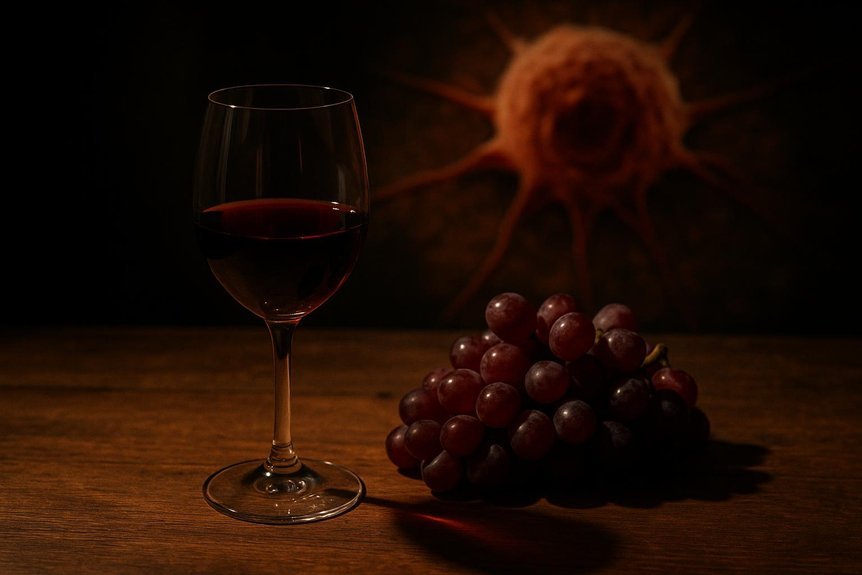
You're likely aware that alcohol can pose health risks, but did you know it’s also linked to various cancers? Even moderate drinking increases your risk, as alcohol is metabolized into acetaldehyde, which can damage DNA. Hormonal changes, like elevated estrogen, further complicate things. It's essential to reflect on how your lifestyle choices, including diet and alcohol intake, impact your health. Curious about the ways you can make informed decisions to protect yourself?
How Alcohol Increases Cancer Risk
When you consume alcohol, it’s broken down into acetaldehyde, a toxic compound that can damage DNA and proteins, increasing cancer risk. This process leads to cell mutations, which can initiate cancer development.
Regular alcohol consumption disrupts your body’s ability to repair DNA, further escalating this risk. Additionally, alcohol increases estrogen levels, potentially leading to hormone-related cancers such as breast cancer.
To focus on cancer prevention, you should be mindful of your drinking habits. Limiting alcohol intake or avoiding it altogether can greatly reduce your cancer risk, offering a proactive approach to maintaining your long-term health and well-being.
How Moderate Drinking Affects Cancer Risk
When you consume alcohol in moderation, it can still affect your cells by damaging DNA and interfering with repair processes.
Hormonal changes from drinking may also increase cancer risk, especially related to breast cancer.
Additionally, your genetic makeup can influence how your body handles alcohol, making some individuals more susceptible to its carcinogenic effects.
Alcohol's Impact on Cells
Although moderate drinking is often considered harmless, it can still impact your cells and increase cancer risk. Alcohol can cause cellular damage through oxidative stress, impairing DNA repair mechanisms.
This damage disrupts cellular signaling and can trigger an inflammation response, both contributing to cancer progression. Alcohol also affects the cell cycle and apoptosis regulation, processes essential for preventing uncontrolled cell growth.
Changes in gene expression and alterations in metabolic pathways further complicate the body's ability to maintain healthy cells. These cellular disruptions, even at moderate levels of alcohol consumption, can elevate your cancer risk over time.
Hormonal Changes From Drinking
Even moderate drinking can lead to hormonal changes that elevate cancer risk. Alcohol alters hormonal balance, causing fluctuations in estrogen levels and testosterone effects.
These shifts can disrupt endocrine function, impacting reproductive health and promoting metabolic changes. Your liver function plays a vital role in processing alcohol, and its impairment can affect cellular signaling pathways involved in cancer progression.
Genetic Susceptibility Factors
While genetics play an essential role in determining your cancer risk, moderate drinking can interact with genetic susceptibility factors in complex ways.
Genetic markers and gene variants can influence how your body processes alcohol, impacting cancer risk. Family history and inherited traits are significant, as susceptibility genes can heighten risk.
Population studies show that ancestry influences and epigenetic factors modify these effects. If your lineage includes alcohol-related cancer cases, you may be more vulnerable.
Understanding these interactions helps assess personal risk. It’s important to reflect on how moderate drinking fits within your unique genetic landscape and its potential implications.
Cancers Most Affected by Alcohol Intake
When you consume alcohol, you increase your risk for several types of cancer, including those affecting the oral cavity, liver, and breast.
Research shows that alcohol can directly damage cells in the mouth and throat, raising the likelihood of oral cavity cancers.
Additionally, alcohol's role in liver damage and hormonal changes can contribute to liver cancer and breast cancer, respectively.
Oral Cavity Cancers
Although alcohol consumption is a well-known risk factor for various cancers, its impact is particularly significant on oral cavity cancers. Poor oral hygiene, combined with alcohol use, increases your risk.
Key preventive measures include lifestyle modifications, such as reducing alcohol intake and maintaining good oral hygiene. Dietary influences, like a balanced diet rich in fruits and vegetables, can also help.
Be vigilant for cancer symptoms, including persistent sores or lumps. Early detection through regular dental check-ups improves treatment options.
Raising public awareness and building community support are essential for prevention and early intervention, ultimately reducing the burden of oral cavity cancers.
Liver Cancer Risks
After addressing the risks alcohol poses to oral cavity cancers, it's important to reflect on its profound impact on liver cancer.
Your liver function suffers from excessive alcohol consumption, leading to chronic inflammation and compromised detoxification processes. This damage can trigger genetic mutations, increasing liver cancer risk.
Dietary factors and lifestyle choices also play significant roles; poor habits exacerbate liver health issues. Maintaining a balanced diet and moderating alcohol intake are essential for cancer prevention.
Breast Cancer Correlation
Even moderate alcohol consumption can considerably impact breast cancer risk, making it a major concern among cancers most affected by alcohol intake.
You should recognize how lifestyle choices, like drinking, increase risk factors. Dietary influences also play a role, alongside family history and hormonal therapies.
As you become more aware of cancer risks, understand that alcohol can heighten psychological impacts and complicate screening methods.
Prioritizing cancer awareness can help you make informed decisions. Reducing alcohol intake might alleviate some risk, but it’s essential to evaluate all factors for a thorough approach to breast cancer prevention and overall health.
How Alcohol Affects the Body
When you consume alcohol, it quickly enters your bloodstream and affects various organs in your body.
Your liver plays an essential role in alcohol metabolism, breaking it down so your body can eliminate it. This process produces acetaldehyde, a toxic compound that can damage DNA and proteins. Your body detoxification system works hard to remove it, but excessive drinking can overwhelm this process, leading to harmful effects.
Alcohol also impacts your brain, heart, and immune system, disrupting normal functions. Over time, these disruptions can contribute to increased cancer risk, highlighting the importance of mindful alcohol consumption for your health.
The Role of Genetics in Alcohol-Related Cancer Risk
Your genetic makeup can markedly influence your risk of alcohol-related cancers. Certain genetic predispositions may affect how your body processes alcohol, increasing susceptibility.
Additionally, gene-environment interactions play an essential role, as lifestyle factors combined with genetic variants can amplify cancer risk.
Genetic Predisposition Factors
Although lifestyle choices greatly impact cancer risk, genetic factors also play an essential role in how alcohol consumption might lead to cancer. Your genetic markers can influence your alcohol metabolism and susceptibility genes, affecting your risk. A family history of cancer suggests a need to explore genetic counseling. Epigenetic changes, often subtle, can be triggered by environment and alcohol use, altering gene expression. Population studies highlight the importance of genetic predispositions in evaluating risk.
| Genetic Factor | Impact on Risk | Actionable Step |
|---|---|---|
| Genetic Markers | Alters metabolism | Genetic Testing |
| Family History | Increases susceptibility | Genetic Counseling |
| Epigenetic Changes | Modifies gene expression | Monitor Lifestyle |
Understanding these can help you make informed choices.
Gene-Environment Interactions
Despite the complexity of cancer risk, understanding gene-environment interactions sheds light on how alcohol may elevate your cancer risk.
Gene variants affect alcohol metabolism, altering how your body processes alcohol and impacts cancer pathways. Environmental factors and lifestyle interactions, like smoking or poor diet, can exacerbate these effects.
Specific genetic markers may influence gene expression, increasing vulnerability to alcohol-related cancers. Dietary influences also play a role, potentially modifying risk by interacting with genetic predispositions.
Are Some Alcoholic Drinks Safer?
When considering which alcoholic drinks might be safer, it's important to recognize that all types of alcohol can increase cancer risk.
Opting for low alcohol options like certain wine varieties or light beer types can help in alcohol moderation.
Choosing low alcohol wines or light beers aids in moderating alcohol intake.
Spirits comparison reveals that higher alcohol content often leads to increased risk, regardless of the type.
Social drinking and cultural influences play significant roles in consumption patterns, affecting your health.
Emphasizing drink alternatives can support healthier choices.
While some believe in potential health benefits from moderate wine consumption, it's essential to weigh these against cancer risks and prioritize informed decisions.
Safe Daily Alcohol Limits
Determining safe daily alcohol limits requires understanding both the potential benefits and health risks. Knowing how much you can safely drink involves following established alcohol guidelines.
Here's what you should consider:
- Moderation Matters: For most adults, moderation means up to one drink per day for women and two for men.
- Risk Awareness: Even light daily consumption can increase cancer risk.
- Personal Factors: Age, health conditions, and family history can alter safe limits.
- Stay Informed: Regularly update yourself on new research about alcohol and health.
Always consult with a healthcare professional if you have concerns about your alcohol intake.
Alcohol Metabolism and Cancer Risk
Understanding how alcohol is metabolized can shed light on its link to cancer risk. When you consume alcohol, your body breaks it down into acetaldehyde, a toxic compound. This process can damage DNA and proteins, increasing cancer risk. Frequent alcohol consumption overwhelms your metabolism, leading to higher exposure to acetaldehyde.
Here's a quick breakdown:
| Stage | Process | Impact |
|---|---|---|
| Consumption | Alcohol enters the body | Begins metabolic process |
| Metabolism | Alcohol converts to acetaldehyde | Increases toxicity |
| Breakdown | Acetaldehyde turns into acetate | Reduces harm |
| Overconsumption | Excess alcohol overwhelms metabolism | Raises cancer risk |
| Cancer Prevention | Limit intake to reduce exposure | Lowers cancer risk |
Being aware helps guide cancer prevention efforts.
Lifestyle Choices That Can Mitigate Cancer Risk
While lifestyle choices play an essential role in cancer prevention, adopting certain habits can greatly lower your risk. Focus on these key areas:
- Dietary Choices: Opt for a balanced diet rich in fruits, vegetables, and whole grains. Consider nutritional supplements if needed.
- Exercise Habits: Regular physical activity helps maintain a healthy weight and reduce cancer risk.
- Stress Management & Sleep Quality: Practice relaxation techniques and guarantee adequate sleep to boost immune function.
- Smoking Cessation & Mindful Consumption: Quit smoking and be mindful of your alcohol intake to further lower cancer risk.
Prioritize preventive screenings and maintain hydration importance for overall health.
Practical Steps to Reduce Alcohol Intake
Reducing alcohol intake can considerably lower your cancer risk, and implementing practical steps makes this goal achievable.
Start with mindful drinking by setting personal goals and tracking your health progress. Explore alcohol alternatives in social settings and use meal pairing to enhance flavors without needing a drink.
Hydration strategies, like drinking water between alcoholic beverages, can help you cut back. Manage stress with techniques that don’t involve alcohol, and lean on support systems, such as friends or community resources, for encouragement.
Why Early Cancer Screening Matters
Early cancer screening plays an essential role in detecting cancer at a stage when it's most treatable and often curable. By using effective screening methods, you can identify potential issues before symptoms appear.
Early detection greatly improves survival rates and reduces treatment complexity. Consider these benefits:
- Increased Survival Rates: Early detection leads to more successful treatment outcomes.
- Less Invasive Treatments: Catching cancer early often means less aggressive treatment.
- Cost-Effectiveness: Early-stage treatment is generally less expensive.
- Peace of Mind: Regular screenings provide reassurance and control over your health.
Incorporating these strategies can make a life-saving difference.
Building a Healthier Lifestyle With Less Alcohol
When aiming to build a healthier lifestyle, cutting back on alcohol can greatly impact your well-being. Start by practicing mindful drinking to recognize your triggers.
Accept social alternatives and explore alcohol substitutes to maintain healthier habits. Set personal goals that align with your values and use self-care strategies to support your process.
Drinking in moderation becomes easier with lifestyle changes and community support, offering encouragement and accountability.
Emotional awareness helps you address the reasons behind your drinking habits, allowing for more informed choices.
These steps help you to reduce alcohol intake and enhance your overall health and resilience.