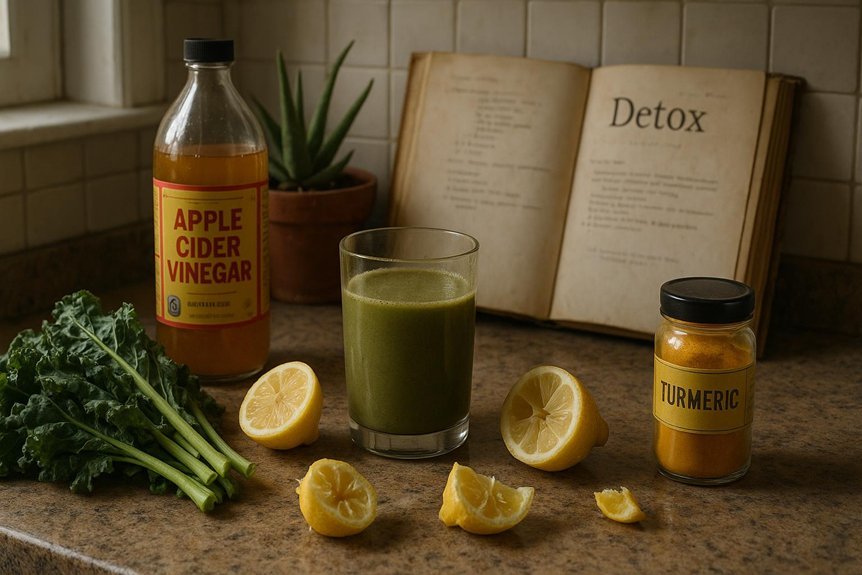
You're considering natural alcohol detox, but it's essential to know what doesn't work. Quick fixes like detox kits and herbal supplements often mislead, lacking scientific support and merely masking symptoms. Diets that promise detox can cause nutrient deficiencies rather than aid recovery. Myths about activated charcoal or saunas offer false hope. True detoxification requires more than unproven remedies. Want to know what genuinely supports recovery?
Understanding Alcohol Withdrawal
When you stop drinking alcohol, your body undergoes a process known as alcohol withdrawal, which can be challenging yet vital for recovery.
Alcohol neurochemistry shifts dramatically as your brain readjusts to the absence of alcohol. This shift can lead to withdrawal symptoms like anxiety, tremors, and nausea.
Your body has adapted to alcohol’s influence on neurotransmitters, and removing it disrupts this balance. These symptoms indicate your brain’s struggle to regain equilibrium.
Understanding this helps you recognize the importance of managing withdrawal carefully. It's essential to approach detoxification with awareness, ensuring you’re prepared for the physiological changes that occur.
The Myth of Quick Fixes
Although it might be tempting to seek quick fixes for alcohol detox, it’s vital to understand that these solutions often lack scientific support and can be misleading. Detox misconceptions can lead you astray, offering false hope without real results.
Consider these points:
- Unproven Methods: Many quick fixes aren’t backed by research, risking your health.
- Temporary Relief: Short-term solutions often ignore underlying issues, causing relapse.
- Potential Harm: Some methods can be dangerous, worsening withdrawal symptoms.
- Lack of Professional Guidance: Quick fixes usually bypass medical advice, which is important for safe detox.
Rely on evidence-based approaches for effective recovery.
Why Herbal Supplements Don’t Help
Despite popular belief, herbal supplements don’t effectively support alcohol detox. You might think these remedies offer a natural solution, but scientific evidence on herbal efficacy is lacking. Most claims are anecdotal, and without rigorous studies, their benefits remain unproven.
Additionally, supplement safety is a concern. Herbal products aren’t regulated like pharmaceuticals, leading to potential contamination or incorrect dosages. This lack of oversight can cause unexpected side effects or interactions with other medications.
Instead of relying on unverified supplements, consider seeking professional medical advice for detox. It’s essential to approach alcohol detox with methods that are proven safe and effective.
The Truth About Detox Diets
Many detox diets promise miraculous results, but they often mislead you with claims that lack scientific backing.
You risk nutrient deficiencies when following these restrictive plans, as they may deprive your body of essential vitamins and minerals.
Instead, focus on balanced nutrition and evidence-based strategies to support your body's natural detoxification processes.
Misleading Detox Claims
While detox diets often promise quick and miraculous results, it’s crucial to understand the science—or lack thereof—behind these claims. Many rely on misleading advertisements and detox celebrity endorsements, using exaggerated health claims and pseudoscientific approaches.
Here's what to watch out for:
- Detoxification misconceptions: Claims suggesting your body can't detox naturally.
- False urgency tactics: Marketing buzzwords creating unnecessary panic.
- Unregulated products: Often lack scientific backing and pose health risks.
- Anecdotal evidence: Relies on personal stories rather than solid research.
Avoid falling for detoxification fads that promise more than they can deliver. Always prioritize evidence-based health practices.
Nutrient Deficiency Risks
When starting a detox diet, you might unknowingly risk nutrient deficiencies that can impact your health.
Extreme dietary adjustments can disrupt nutrient absorption and lead to micronutrient deficiencies. Without proper food choices, you may lack protein intake, essential for maintaining metabolic functions.
Skipping healthy fats can further affect your gut health and mineral balance. While vitamin supplementation might seem helpful, it doesn’t always address the root issues.
To avoid these pitfalls, guarantee balanced meals that support nutrient needs. Prioritize whole foods to maintain a healthy diet and avoid deficiencies that could compromise your well-being during detox.
Risks of Unproven Remedies
Although natural remedies for alcohol detox might seem appealing, they often come with significant risks due to their unproven nature. Relying on detox myths can harm your health.
Here’s why unproven remedies are risky:
- Safety Concerns: Unverified substances can cause adverse reactions.
- Effectiveness Doubts: No scientific evidence supports their efficacy.
- Interference with Treatment: They might conflict with professional medical care.
- False Security: Believing in myths can delay seeking proper help.
Always prioritize evidence-based treatments. Consult healthcare professionals to guarantee safe and effective detox strategies.
Avoid shortcuts that might jeopardize your health.
Can Teas Really Detox Your System?
Exploring the world of natural detox options, many people wonder if teas can genuinely cleanse your system. The idea of herbal tea benefits is appealing, but it’s essential to separate fact from detoxification myths.
While certain tea types like green or chamomile may support relaxation and hydration, they don’t perform magical body cleansing. Caffeine effects in teas can offer a temporary energy boost, but they don’t detoxify.
Natural ingredients like antioxidants in teas can support overall health, yet they’re not a cure-all. Ultimately, relying solely on tea for detoxification overlooks the complexity of how your body naturally processes toxins.
Why Juice Cleanses Don’t Work
Despite their popularity, juice cleanses don't deliver the detoxification benefits they promise. They’re often marketed as a quick fix, but their effectiveness is questionable. Here’s why:
Juice cleanses, though popular, fall short of providing promised detox benefits and quick solutions.
- Lack of Fiber: Juices strip away essential fiber, important for digestive health.
- Nutritional Misconceptions: You might think you're getting all nutrients, but many vitamins and minerals are lost.
- Blood Sugar Spikes: The high sugar content can lead to spikes, affecting insulin levels.
- Temporary Weight Loss: Any weight loss is typically water weight, not fat loss.
Ultimately, relying on juice cleanses ignores essential nutritional components your body needs.
Hydration: More Than Just Water
While staying hydrated is essential, it’s important to understand that hydration involves more than just drinking water.
Achieving peak hydration means considering hydration balance and electrolyte importance. Don’t fall for hydration myths that suggest water alone suffices. Instead, explore hydration sources like coconut water or electrolyte drinks as water alternatives.
Timing and strategies matter; sip fluids consistently throughout the day for maximum hydration benefits.
Cultivate hydration awareness by listening to your body’s signals. By integrating these methods, you’ll maintain a healthy balance, supporting your body’s natural detox processes more effectively than relying solely on water intake.
Do Over-the-Counter Detox Kits Work?
You might be considering over-the-counter detox kits, but it's important to know they lack substantial scientific backing for effectiveness.
While they might offer temporary relief from some symptoms, they can also pose potential health risks. Always approach these kits with caution and prioritize evidence-based methods for detoxification.
Limited Scientific Evidence
Many people turn to over-the-counter detox kits, hoping for a quick solution to cleanse their system of alcohol. However, the efficacy of these products often relies on:
- Limited studies: Scientific research on detox product efficacy is sparse, leaving consumers with little concrete evidence.
- Anecdotal evidence: Personal testimonials can't replace rigorous scientific validation, leading to detox misconceptions.
- Detox marketing: Clever advertising exploits these misconceptions, promoting unproven benefits.
- Scientific skepticism: Experts critique the detox industry, advocating for alternative detox methods supported by science.
Approach such kits with caution, understanding that credible evidence is lacking.
Temporary Symptom Relief
Although over-the-counter detox kits promise quick relief from alcohol's effects, their primary function often centers on providing temporary symptom relief rather than true detoxification.
These kits focus on symptom management, masking issues like headaches or nausea without addressing the underlying cause. Ingredients such as vitamins and herbs might offer temporary relief by replenishing nutrients, but they don't facilitate genuine detoxification or long-term recovery.
Studies suggest that while you might feel momentarily better, these kits can create a false sense of security. Relying on them for detox can lead to overlooking the necessity of thorough medical support for effective recovery.
Potential Health Risks
While over-the-counter detox kits offer temporary symptom relief, they often overlook potential health risks. You might face serious health complications without medical supervision.
Consider these:
- Withdrawal Symptoms: Unmanaged symptoms can lead to severe physical and psychological impacts.
- Long Term Effects: Kits don’t address addiction risks and recovery challenges, leaving you vulnerable.
- Emotional Toll: The process can be overwhelming without proper support systems.
- Lifestyle Changes: Essential for recovery, but kits rarely promote sustainable habits.
Opt for approaches prioritizing safety and thorough care to mitigate these risks effectively.
Activated Charcoal: A Detox Myth
Activated charcoal often claims to be a miracle solution for detoxing after alcohol consumption, but it's a myth that doesn't hold up under scrutiny.
While some tout activated charcoal benefits for absorbing toxins, it doesn't effectively bind alcohol in your system.
Scientific evidence shows it works best for certain poisonings, not alcohol detox. Relying on it can pose activated charcoal risks, such as gastrointestinal issues and interference with medication absorption.
Instead of seeking quick fixes, focus on proven methods like hydration and time.
Don’t let the allure of a simple solution lead you astray from evidence-based practices.
Stress: Its Impact on Detox
You're likely aware that stress can lead to hormonal imbalances, disrupting your body's natural detox processes.
When you're stressed, your body releases cortisol, which can impair liver function and reduce its ability to eliminate toxins.
Implementing effective coping mechanisms is essential to support detox and maintain overall health.
Stress and Hormonal Imbalance
Stress plays a critical role in the body's ability to detoxify, as it triggers hormonal imbalances that can hinder natural detox processes.
Managing stress is essential for effective detoxification. Here's how you can make a difference:
- Stress Management: Practice mindfulness to achieve stress reduction and hormonal regulation.
- Emotional Resilience: Build emotional balance through lifestyle changes and coping strategies.
- Support Networks: Engage with support networks for therapeutic interventions and emotional support.
- Mindfulness Practices: Incorporate regular mindfulness practices to enhance emotional resilience.
Coping Mechanisms and Detox
While stress impacts detoxification, adopting effective coping mechanisms can considerably enhance the body's natural detox processes. Mindful breathing and mindfulness meditation lower stress, promoting emotional resilience.
Engaging in cognitive behavioral therapy helps reframe negative thoughts, essential for detox success. Build strong support networks and practice journaling to process emotions.
Effective stress management involves lifestyle adjustments, including diet and exercise, improving detox efficacy. Art therapy offers creative outlets, reducing anxiety.
Community involvement provides additional support and motivation. By integrating these strategies, you’ll strengthen your body’s ability to detox naturally, effectively combating the negative impact of stress on detoxification.
Exercise: What Complements It?
When aiming to enhance your alcohol detox process, exercise plays a pivotal role, yet it’s most effective when complemented by proper hydration and nutrition. Incorporate these strategies to boost your detox process:
- Yoga Benefits: Practicing yoga enhances flexibility and incorporates mindfulness practices, essential for mental clarity.
- Nature Walks: Engage in nature walks to reduce stress and promote physical well-being.
- Breathing Exercises and Meditation Techniques: These improve mental focus and emotional stability.
- Support Groups and Healthy Cooking: Joining support groups builds community, while healthy cooking aids in nutritional balance.
Prioritize sleep hygiene, use journaling prompts, and incorporate gratitude practices for a comprehensive approach.
Debunking the Sauna Detox Myth
Exercise and mindfulness practices like yoga and meditation enhance your detox path, but let's address a common misconception: the sauna as a detox tool.
Many believe in sauna effectiveness for detoxification, but this is a myth. Saunas make you sweat, which can feel cleansing, yet they don't remove alcohol or toxins from your body.
Your liver and kidneys handle detox, not sweat glands. While saunas offer relaxation and improved circulation, they don't contribute to alcohol detoxification.
It's vital to understand these detoxification misconceptions to focus on methods that genuinely support your body's natural processes.
Prioritize hydration and proper nutrition instead.
Does Homeopathy Really Help?
Can homeopathy truly aid in alcohol detox? While some claim homeopathic remedies offer relief, evidence remains lacking. Skepticism benefits your understanding. Consider:
- Anecdotal Evidence: Many rely on personal stories, but these lack scientific rigor.
- Professional Opinions: Experts often question homeopathy's effectiveness compared to standard treatments.
- Regulatory Standards: Homeopathic remedies aren’t held to the same rigorous standards as conventional medicines.
- Individual Experiences: While some report success, responses vary widely, making it unreliable.
Alternative therapies like homeopathy may appeal, but treatment comparisons often favor evidence-based approaches.
Always consult healthcare professionals.
Miracle Supplements: False Promises?
Why do miracle supplements often capture attention in the quest for alcohol detox? They promise quick fixes with enticing marketing tactics.
Despite claims of miracle cures, many supplements are overpriced products rooted in detox myths. These wellness trends thrive on false advertising and celebrity endorsements, convincing you that natural remedies offer easy solutions.
In reality, supplement scams prey on your desire for a quick fix. Health fads often lack scientific backing, leading to ineffective results.
Don’t fall for the allure of miracle supplements. Instead, focus on proven methods and consult healthcare professionals for genuine support in alcohol detox.
How the Placebo Effect Misleads Detox Efforts
While the mind's power is undeniable, the placebo effect can mislead your detox efforts by creating a false sense of progress. You might feel temporary relief due to detox misconceptions, but psychological factors like expectation bias can skew your perception.
Real symptom management and recovery motivation require more than belief alone. Consider these points:
- Expectation Bias: Believing in detox can alter perceived outcomes, not actual recovery.
- Behavioral Triggers: Placebo effects may mask underlying issues, delaying true healing.
- Mental Health: Over-reliance on placebo neglects necessary mental health support.
- Symptom Management: Effective detox requires addressing physical symptoms, not just psychological belief.
Unpacking Popular Detox Myths
How often do we hear claims about detox diets promising miraculous results? These detox misconceptions can mislead you into thinking quick fixes exist.
Detox diets often promise miracles, but such misconceptions can lead you to believe in non-existent quick fixes.
Alternative therapies like juice cleanses or herbal supplements lack scientific backing and won’t effectively detox alcohol from your system. Instead, focus on mindfulness practices to help you manage stress and cravings.
Emotional support from friends, family, or support groups is vital on your experience. Remember, genuine recovery involves understanding your body’s needs and seeking professional guidance.
Don’t fall for myths; choose evidence-based approaches to guarantee a safe and healthy detox process.
Integrated Approaches to Avoid
Misunderstandings about detox methods often lead individuals to contemplate complete approaches that may not be effective or safe.
While well-rounded practices like mindful breathing and positive affirmations can aid stress management, they’re not substitutes for thorough detox.
Here’s what to avoid:
- Over-relying on alternative therapies: They might delay essential medical treatment.
- Focusing solely on lifestyle modifications: These are supportive, not curative.
- Neglecting a supportive community: Peer support is vital for emotional resilience.
- Using creative outlets as primary detox methods: They’re self-care practices, not medical solutions.
Ensure your approach is evidence-based and prioritizes safety.
Spotting Detox Scams
Why do so many fall for detox scams? It’s often due to misleading advertisements and detox misconceptions. Scam tactics exploit your desire for quick fixes.
Misleading ads and misconceptions exploit the desire for quick detox fixes.
Spotting red flags is essential for fraud prevention. Be wary of detox marketing that promises miraculous results without scientific backing. Warning signs include vague ingredient lists and unrealistic claims.
Boost your consumer awareness by researching thoroughly. Informed choices stem from understanding that detox isn’t a one-size-fits-all solution.
Scam identification involves questioning too-good-to-be-true offers. Stay vigilant and prioritize evidence over hype to protect yourself from deceptive practices and make sound decisions.
What Truly Supports Recovery?
To genuinely support recovery, accept comprehensive lifestyle changes that include balanced nutrition, regular exercise, and mindfulness practices.
Pairing these with professional support systems, like counseling or support groups, considerably boosts success rates.
Evidence shows that combining these approaches leads to more sustainable and effective recovery outcomes.
Integrated Lifestyle Changes
Accepting complete lifestyle changes can greatly support alcohol detox and recovery. You can build personal growth by implementing sustainable habits that promote mental clarity and emotional wellness. Consider these strategies:
- Mindful Eating: Focus on nutrition to improve your overall health and support detoxification.
- Lifestyle Balance: Prioritize self-care routines and stress management to maintain stability.
- Community Support: Engage with supportive groups to enhance motivation and accountability.
- Health Education: Equip yourself with knowledge to make informed decisions about your well-being.
These steps help cultivate a balanced life, encouraging personal growth and resilience on your path to recovery.
Professional Support Systems
While traversing the path to recovery, professional support systems play an essential role in ensuring lasting success. Engaging with treatment centers offers structured therapy options and intervention strategies tailored to your needs.
Support groups provide community resources and accountability partners vital for relapse prevention. Recovery coaching helps maintain focus, while motivational interviewing supports commitment.
Sober living environments offer stability, reinforcing positive habits. By integrating these elements, you build a solid foundation for recovery.
Professional systems aren't just about quitting; they're about crafting a sustainable lifestyle change. Trust these resources to guide you toward a healthier, alcohol-free life.


