Drug Testing in IOP: What to Know
You're about to explore the critical role drug testing plays in Intensive Outpatient Programs (IOP). It's not just about catching slip-ups; it's about building trust and supporting your recovery process. By understanding the different testing methods, frequencies, and substances typically checked, you'll see how this process enhances personalized treatment plans and strengthens relapse prevention strategies. Interested in learning about what these tests mean for your treatment success? Let's dive deeper.
IOP Explained: Purpose and Benefits
When considering Intensive Outpatient Programs (IOP), understanding their purpose and benefits is essential.
IOPs provide a structured treatment environment while allowing you to maintain daily responsibilities. They focus on individualized care, tailoring treatment plans to address specific needs and challenges. This personalized approach enhances engagement and effectiveness.
Structured care with personalized plans enhances engagement while allowing you to maintain daily responsibilities.
Building a strong therapeutic alliance is vital, as it encourages trust and collaboration between you and your treatment team. This connection supports progress and motivation.
IOPs also offer flexibility, making them a practical choice for many seeking recovery. With evidence-based therapies, they help you to achieve lasting change and maintain sobriety.
Why Drug Testing Matters in IOP
Understanding the structure and benefits of Intensive Outpatient Programs (IOP) sets the stage for exploring a key component: drug testing. It plays an essential role in maintaining patient motivation and accountability.
Regular testing provides concrete feedback, helping you stay on track and reinforcing commitment to recovery. Clinicians use results to tailor treatment plans, enhancing effectiveness.
However, ethical considerations are important; tests must respect privacy and dignity. Balancing these aspects helps create trust and creates a supportive therapeutic environment.
Drug testing isn’t just about verification; it’s a collaborative tool that supports your path forward towards lasting sobriety and well-being.
Liberation Way's helpline is free, confidential, and available 24/7. A treatment specialist can help you understand your options.
Call (866) 275-3142Types of Drug Tests Used in IOP
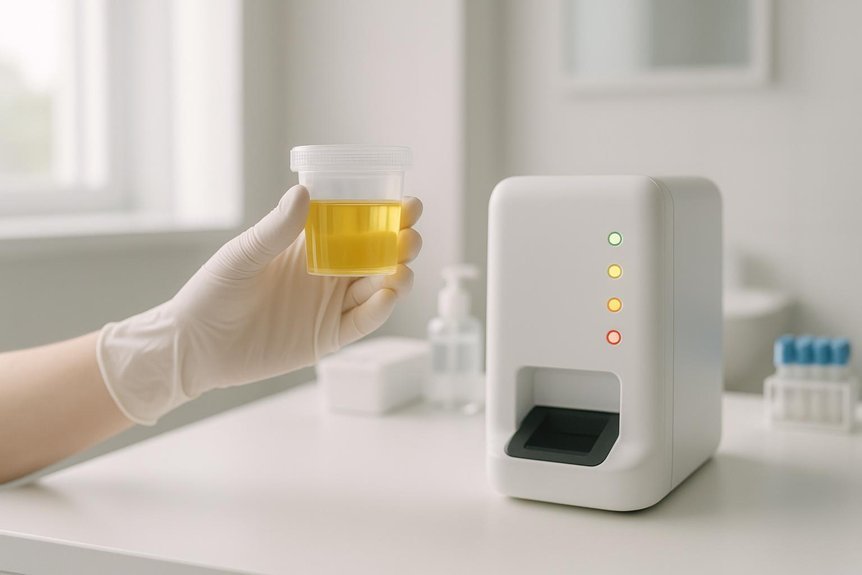
Various drug tests are employed in Intensive Outpatient Programs (IOP) to confirm accurate monitoring and support recovery. You’ll encounter saliva testing, urine testing, hair testing, breath analysis, and blood testing.
Each method varies regarding test accuracy, reliability, sensitivity, and specificity. Testing protocols apply advanced testing technology and innovations to guarantee precise results. Proper test administration and interpretation are vital for maintaining test compliance.
Saliva and urine tests are often favored for their ease and quick results, while hair and blood tests offer detailed history. Effective testing methods are important for reliable outcomes in IOP settings.
Test Frequency in IOP
When considering test frequency in Intensive Outpatient Programs (IOP), you'll need to determine an ideal schedule that balances consistency and flexibility.
This balance directly influences treatment outcomes by ensuring accountability while accommodating individual patient needs.
Regular testing can enhance recovery rates, but too much rigidity might hinder engagement.
Determining Optimal Test Schedule
While establishing an effective testing schedule in Intensive Outpatient Programs (IOP), it's essential to balance frequency with patient needs and program goals.
Use test timing strategies to guarantee effectiveness and consider an individualized testing approach to cater to diverse patient profiles.
Here's how you can optimize the schedule:
- Assess Risk Levels: Tailor frequency based on each patient’s risk of relapse.
- Monitor Progress: Increase testing if there are signs of potential relapse.
- Incorporate Random Testing: Implement random tests to prevent predictability.
- Evaluate Program Goals: Align testing frequency with the IOP’s objectives for patient recovery and accountability.
This approach guarantees thorough and adaptable testing in IOP.
Balancing Consistency and Flexibility
| Consistency Strategies | Flexible Approaches | Benefits |
|---|---|---|
| Regular Schedules | Patient-Centric | Improved Monitoring |
| Routine Testing | Adaptive Plans | Enhanced Trust |
| Standard Protocols | Custom Adjustments | Increased Adherence |
This balance helps you optimize the testing process without compromising the program’s integrity.
Impact on Treatment Outcomes
Although test frequency in Intensive Outpatient Programs (IOP) plays a crucial role in treatment outcomes, finding the ideal balance requires careful consideration. Frequent testing enhances treatment efficacy and relapse prevention.
However, over-testing may hinder recovery engagement and strain the therapeutic alliance. Here's what you should focus on:
- Testing Transparency: Keep communication open to build trust and guarantee data reliability.
- Patient Feedback: Regularly gather input to adapt treatment strategies effectively.
- Program Evaluation: Use outcome measurement to assess and refine testing protocols.
- Treatment Adaptation: Tailor approaches based on individual needs to enhance program success.
Balancing these elements boosts recovery success.
Substances Typically Tested
In Intensive Outpatient Programs (IOP), drug testing plays an essential role in monitoring recovery progress. You’ll find that substances typically tested include opioids, benzodiazepines, stimulants, and cannabinoids. Testing methods like urine, saliva, and hair analysis vary in detection windows and test accuracy. Understanding result interpretation and testing policies guarantees compliance standards are met. Screening technologies help identify substance categories, but testing challenges can arise, such as false positives or legal implications.
| Substance Category | Detection Window |
|---|---|
| Opioids | 1-3 days |
| Benzodiazepines | 1-7 days |
| Stimulants | 2-3 days |
Effective testing supports treatment progress and accountability.
Why Is Random Testing Important?
Random testing plays a vital role in ensuring accountability and compliance within Intensive Outpatient Programs (IOP).
It helps prevent substance misuse by deterring relapses and providing objective measures of sobriety.
Ensuring Accountability and Compliance
When participating in an Intensive Outpatient Program (IOP), random drug testing plays an essential role in maintaining accountability and compliance. It provides a structured framework to guarantee you're following treatment guidelines. Here’s why it matters:
- Accountability Strategies: Random testing helps you stay responsible for your actions and progress.
- Compliance Measures: It guarantees you’re adhering to the program’s requirements, keeping your recovery on track.
- Trust Building: Regular testing supports trust between you and your healthcare providers, reinforcing a supportive environment.
- Objective Feedback: The results offer clear, unbiased data to guide your treatment.
Preventing Substance Misuse
Although it might seem intrusive, random drug testing is an important tool in preventing substance misuse during an Intensive Outpatient Program. It supports relapse prevention by encouraging accountability and enhancing treatment readiness.
You’ll find that it strengthens support networks and reinforces coping strategies. By integrating education programs and community resources, you gain a thorough approach to managing challenges.
Family involvement and peer support play vital roles, developing a nurturing environment for recovery. Prioritizing self-care practices and mental health guarantees comprehensive progress.
Random testing helps maintain focus, allowing you to actively engage in recovery while avoiding potential pitfalls.
Supporting Recovery Progress
Recognizing the role of random drug testing in Intensive Outpatient Programs enhances your understanding of recovery dynamics.
It's essential for relapse prevention and creates a therapeutic environment where personal accountability thrives. Here’s why it’s important:
- Support Networks: Testing strengthens connections with support networks, including family involvement.
- Coping Strategies: It promotes the use of effective coping strategies and builds emotional resilience.
- Motivational Interviewing: Tests provide opportunities for motivational interviewing, reinforcing commitment.
- Individualized Care: Random testing aligns with whole-person approaches and individualized care, addressing unique recovery needs.
Take on these elements to support sustained recovery progress.
Patient Rights in IOP Drug Testing
In intensive outpatient programs (IOP), understanding your rights regarding drug testing is crucial. Patient advocacy guarantees you have informed consent and testing transparency. Ethical considerations and legal rights protect your autonomy and guarantee treatment fairness. Accurate tests and open communication strategies are essential for building trust and support systems.
| Key Aspect | Description |
|---|---|
| Patient Advocacy | Guarantees your voice is heard and respected. |
| Testing Transparency | Provides clear information about testing processes. |
| Informed Consent | Requires your agreement before tests are conducted. |
| Legal Rights | Protects against unlawful testing practices. |
| Communication | Encourages open dialogue between you and providers. |
Prioritize understanding these rights to enable your path to recovery.
Interpreting and Handling Test Results Accurately
When receiving drug test results in an intensive outpatient program (IOP), it’s essential to understand how to interpret and handle them accurately. Misinterpretation can lead to errors, so focus on clarity and precision.
Here’s how you can guarantee accurate handling:
- Understand Test Result Interpretation: Familiarize yourself with the specific tests and their limitations to interpret results correctly.
- Address Handling Discrepancies: If results seem inconsistent, consider possible causes like lab errors or cross-reactivity.
- Confirm Results: Use confirmatory testing for any unexpected outcomes to guarantee accuracy.
- Document Everything: Keep detailed records of all test results and interpretations for accountability.
How Results Influence Treatment Plans
Although drug test results in an intensive outpatient program (IOP) might initially seem straightforward, they play an important role in shaping individualized treatment plans.
By accurately interpreting results, you can identify specific substance use patterns, which helps tailor interventions to meet each patient’s needs.
Accurate interpretation reveals substance use patterns, enabling tailored interventions for each patient’s unique needs.
Treatment adjustments become vital when test outcomes reveal unexpected substance use or abstinence. You might consider modifying therapy approaches, incorporating additional support, or reevaluating medication management.
These insights guarantee that your treatment plans remain dynamic and responsive, enhancing the likelihood of successful recovery.
Consistent results interpretation is key to making informed, effective treatment adjustments.
How Testing Supports Accountability
Recognizing patterns from drug test results not only guides treatment adjustments but also reinforces accountability within an intensive outpatient program (IOP).
You’ll find that regular testing helps maintain testing integrity and provides clear accountability benefits. Here’s how:
- Consistent Monitoring: Regular tests keep you accountable for your actions, promoting honest behavior.
- Progress Tracking: Observable results help you see improvements, motivating continued efforts.
- Early Intervention: Detecting relapse signs early allows for timely intervention, supporting recovery.
- Trust Building: Reliable testing creates trust between you and your care team, enhancing collaborative recovery efforts.
Communicating Results With Participants
When communicating drug test results in an IOP, you must guarantee confidentiality and adhere to privacy guidelines to protect participants' information.
Providing clear and timely updates is essential for maintaining trust and supporting their recovery.
Use straightforward language to explain results and next steps, making certain participants feel informed and respected.
Confidentiality and Privacy Guidelines
Guaranteeing confidentiality and privacy when communicating drug testing results in an Intensive Outpatient Program (IOP) is essential for maintaining trust and compliance. Follow these guidelines:
- Data Protection: Use strong information security measures to safeguard patient data.
- Ethical Considerations: Always adhere to confidentiality protocols and respect privacy rights.
- Legal Obligations: Guarantee compliance with laws regarding patient consent and disclosure policies.
- Testing Transparency: Clearly explain testing processes to build trust and understanding.
Clear and Timely Updates
Although clear communication is essential in an Intensive Outpatient Program (IOP), providing timely updates on drug testing results assures participants stay informed and engaged in their treatment process.
Timely notifications build trust and accountability, allowing participants to understand their progress and address any issues promptly. Clear communication guarantees you’re aware of the results’ implications, supporting your recovery goals.
Evidence shows that when you receive updates without delay, your motivation and commitment to the program improve.
Consequently, establishing a consistent protocol for delivering results not only enhances transparency but also reinforces your active participation in the therapeutic process.
The Impact of Testing on Recovery Motivation
While drug testing in Intensive Outpatient Programs (IOPs) can seem challenging, it plays an essential role in enhancing recovery motivation.
Regular testing boosts motivation enhancement by supporting a sense of recovery accountability. Knowing you'll be tested encourages honest commitment to sobriety.
Consider these benefits:
- Accountability: Testing reinforces your commitment, keeping you accountable.
- Progress Tracking: It provides clear evidence of your progress, motivating continued effort.
- Support Structure: Knowing you'll be tested helps build a supportive environment.
- Relapse Prevention: Early detection of substance use can prevent a full relapse, maintaining your recovery path.
Accept testing as a positive tool in your recovery.
How to Prepare for Your IOP Drug Test
Preparing for your IOP drug test involves understanding the process and taking proactive steps to secure a successful outcome. Start by familiarizing yourself with test procedures to reduce uncertainties.
Implement test preparation tips such as maintaining a healthy diet and staying hydrated, which can support ideal body function. Managing testing anxiety is essential; practice relaxation techniques like deep breathing or meditation to stay calm.
Confirm you’re consistently following your treatment plan, as this aligns with expected results. Finally, communicate openly with your healthcare provider about any concerns to build confidence and confirm you're adequately prepared for testing day.
Clearing Up Myths About IOP Drug Testing
You might hear myths about IOP drug testing, but it's important to focus on facts.
Understanding the testing procedures can help clear up common misunderstandings, such as the belief that certain products can alter results.
Reliable, evidence-based practices guarantee tests are both accurate and fair.
Common Misunderstandings Addressed
Despite common misconceptions, drug testing in Intensive Outpatient Programs (IOP) plays an essential role in supporting recovery rather than acting as a punitive measure.
Let’s debunk some testing myths:
- Not Punitive: Tests aren’t meant to punish but to provide accountability and insight into your progress.
- Privacy Maintained: Results are used confidentially, supporting personalized treatment without stigma.
- Relapse Prevention: Testing helps identify early signs of relapse, allowing timely intervention.
- Encourages Honesty: Knowing tests occur can encourage transparency in discussing challenges.
Understanding these misconceptions debunked can enhance your view of drug testing as a supportive tool in recovery.
Facts About Testing Procedures
Understanding the supportive nature of drug testing in IOP is only part of the story. You need to know the facts about testing procedures to see how they guarantee reliable outcomes.
Testing accuracy is essential, and it starts with maintaining sample integrity. Labs use advanced methods to prevent contamination and tampering, assuring that results truly reflect the participant’s substance use.
Missteps in handling or storage can lead to false results, impacting treatment progress. By following strict protocols, IOP programs provide dependable data, building trust and accountability.
The Importance of Accurate Testing in Recovery
When it comes to recovery, the accuracy of drug testing is essential in guaranteeing effective treatment outcomes. It maintains recovery integrity, providing clear insights into your progress.
Inaccurate tests can lead to misguided treatment plans, hindering success. Here's why accurate testing matters:
- Testing Accuracy: Guarantees you receive the right support and interventions.
- Recovery Integrity: Builds trust between you and your treatment team.
- Progress Monitoring: Helps track your path forward, adapting plans when needed.
- Relapse Prevention: Identifies issues early, allowing timely interventions.